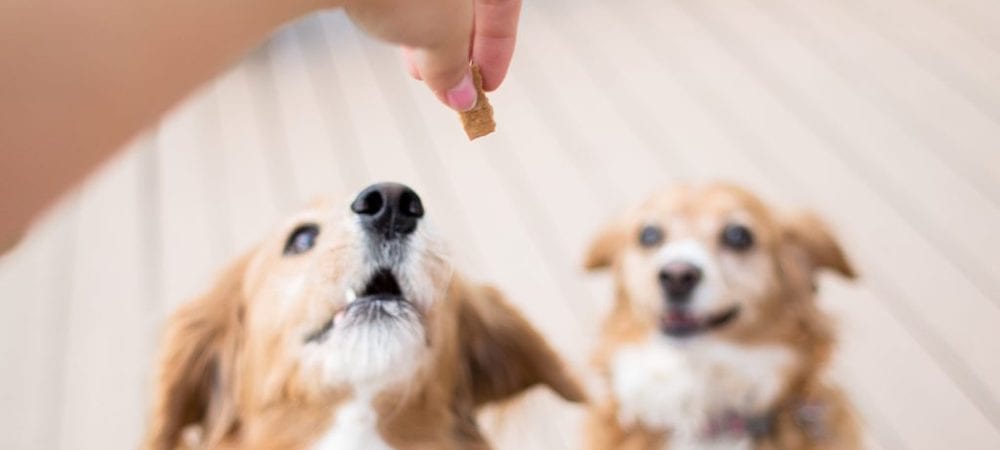
Choosing snacks for a dog may seem simple at first. You pick something your dog likes, offer it during training, or use it as a small reward during the day. But over time, treats can become a regular part of your dog’s routine, which means they deserve more attention than many owners give them.
Dog snacks are not just about taste. They can affect weight, digestion, energy, dental health, training habits, and overall wellbeing. A treat given occasionally may not seem important, but when snacks are used every day, quality and portion control matter.
The goal is not to make snack time complicated. It is to choose treats that suit your dog’s age, size, activity level, and dietary needs while still keeping them happy.
Understand Why You Are Giving Treats
Before choosing snacks, think about how you use them. Some owners give treats mainly during training. Others use them after walks, during grooming, when leaving the house, or as a small bedtime routine. Some dogs receive snacks from several family members without anyone tracking how much has been given.
When you understand the purpose, it becomes easier to choose the right type of snack.
Training treats should usually be small, easy to chew, and quick to eat. Long-lasting chews may be better for quiet time or mental stimulation. Softer snacks may suit older dogs or dogs with dental sensitivity. Low-calorie options may be better for dogs that gain weight easily.
Snacks should support your routine, not work against it.
Read the Ingredient List Carefully
The ingredient list can tell you a lot about the quality of a dog snack. Simple, recognisable ingredients are usually easier to understand than long lists filled with artificial colours, unnecessary fillers, or vague terms.
Look for treats that clearly explain what they contain. If meat, fish, vegetables, or grains are included, the label should make that clear. Avoid products where the main ingredients are unclear or where sugar, salt, or artificial additives appear too heavily.
This is especially important for dogs with allergies, sensitive stomachs, or skin issues. A snack that works well for one dog may not suit another. If your dog reacts badly to certain ingredients, keep a note of what to avoid.
Think About Your Dog’s Size and Chewing Style
Not every snack suits every dog. A treat that is perfect for a large dog may be too big or hard for a small dog. A snack that suits a gentle chewer may disappear too quickly with a strong chewer.
Size matters for safety and digestion. Small dogs need appropriately sized treats that they can chew comfortably. Large dogs may need something more substantial, but the snack should still be safe and not too hard for their teeth.
Chewing style matters too. Some dogs chew slowly and carefully. Others try to swallow treats almost whole. For fast eaters, smaller pieces or softer options may be safer. Always supervise your dog with new snacks, especially chews.
Watch the Calories
Treats can add up quickly. Even small snacks can contribute extra calories when given several times a day. This can become a problem if your dog is not very active or already eats a full meal plan.
A simple rule is to keep treats as a small part of the overall diet. Meals should remain the main source of nutrition. Snacks should be occasional rewards, not a replacement for balanced food.
If you are using treats often during training, break them into smaller pieces. Most dogs respond to the reward itself, not the size of the reward. Tiny portions can still be effective.
For dogs that need weight control, ask your vet how many extra calories are suitable each day. You can also reduce meal portions slightly when training treats are used more often, but this should be done carefully.
Choose Treats That Match Your Dog’s Life Stage
Puppies, adult dogs, and senior dogs have different needs. Puppies may need softer, smaller snacks that are easy to chew and digest. Adult dogs may handle a wider range of options, depending on their health and activity level. Senior dogs may need gentler textures, lower-fat choices, or treats that are easier on the stomach.
Life stage is also linked to behaviour. Puppies may need treats for training and socialisation. Adult dogs may receive snacks for exercise routines, recall practice, or enrichment. Senior dogs may enjoy treats as part of a calm daily routine.
Choosing age-appropriate snacks helps make treat time safer and more useful.
Be Careful With Human Food
Many owners like sharing small pieces of food with their dogs, but not all human food is safe. Some foods can upset a dog’s stomach, while others can be dangerous. Chocolate, grapes, raisins, onions, garlic, alcohol, and foods containing xylitol should never be given to dogs.
Even safe human foods should be offered carefully. Plain cooked chicken, small carrot pieces, or apple slices without seeds may suit some dogs, but portions should be controlled. Rich, salty, spicy, or oily foods are not suitable.
It is better to build your dog’s snack routine around options made for dogs, especially when treats are used regularly. For owners trying to make better choices, Healthy Dog treats can fit naturally into a routine where snacks are selected with more care rather than given randomly.
Consider Digestive Sensitivity
Some dogs have sensitive stomachs. They may react to sudden changes, rich foods, dairy, high-fat snacks, or certain proteins. If your dog often has loose stools, gas, vomiting, itching, or changes in appetite after snacks, the treats may not be suitable.
Introduce new snacks slowly. Start with a small amount and watch your dog’s response. If there is no problem, you can continue in controlled portions. If your dog reacts badly, stop using that snack and check the ingredient list.
For dogs with ongoing digestive issues, speak with a vet before changing snacks. Sometimes the issue is not only the treat, but the overall diet.
Use Snacks for Training Without Overfeeding
Treats are one of the easiest tools for positive training. They can help dogs learn commands, build focus, and connect good behaviour with rewards. But training can also lead to overfeeding if portions are too large.
Use small pieces during training sessions. Soft treats often work well because dogs can eat them quickly and return attention to the task. For simple commands at home, you may not need a high-value snack every time. Praise, play, or part of the dog’s regular food can also be used.
As your dog learns a behaviour, reduce treat frequency gradually. This helps prevent your dog from expecting food every single time.
Store Treats Properly
Good snacks can lose quality if they are not stored well. Keep treats in a sealed container or original resealable pack. Store them in a cool, dry place away from moisture and direct sunlight.
Check expiry dates and discard anything that smells strange, looks mouldy, or has changed texture. If you buy in bulk, avoid opening everything at once. Smaller portions stored properly are easier to manage.
Storage also helps with household organisation. A fixed treat container near your dog’s feeding area or walking station makes daily routines easier.
Avoid Turning Treats Into Emotional Substitutes
It is natural to want to make your dog happy, but treats should not become the answer to every situation. If a dog is bored, anxious, restless, or seeking attention, food may not always be the best solution.
Sometimes a walk, play session, grooming, training game, or quiet time with you is more useful than another snack. Dogs need attention, structure, exercise, and mental stimulation as much as they enjoy food rewards.
Treats work best when they are part of a balanced routine, not the main way of showing care.
Choose Quality Over Quantity
Dogs do not need endless snacks to feel loved. They need consistent care, safe routines, exercise, attention, and food that suits their needs. When it comes to treats, better choices and sensible portions matter more than large amounts.
A good snack routine is simple. Read labels, control portions, match treats to your dog’s size and age, avoid unsafe foods, and pay attention to how your dog responds.
Choosing better everyday snacks is not about being perfect. It is about making small, thoughtful decisions that support your dog’s comfort, training, and long-term wellbeing.