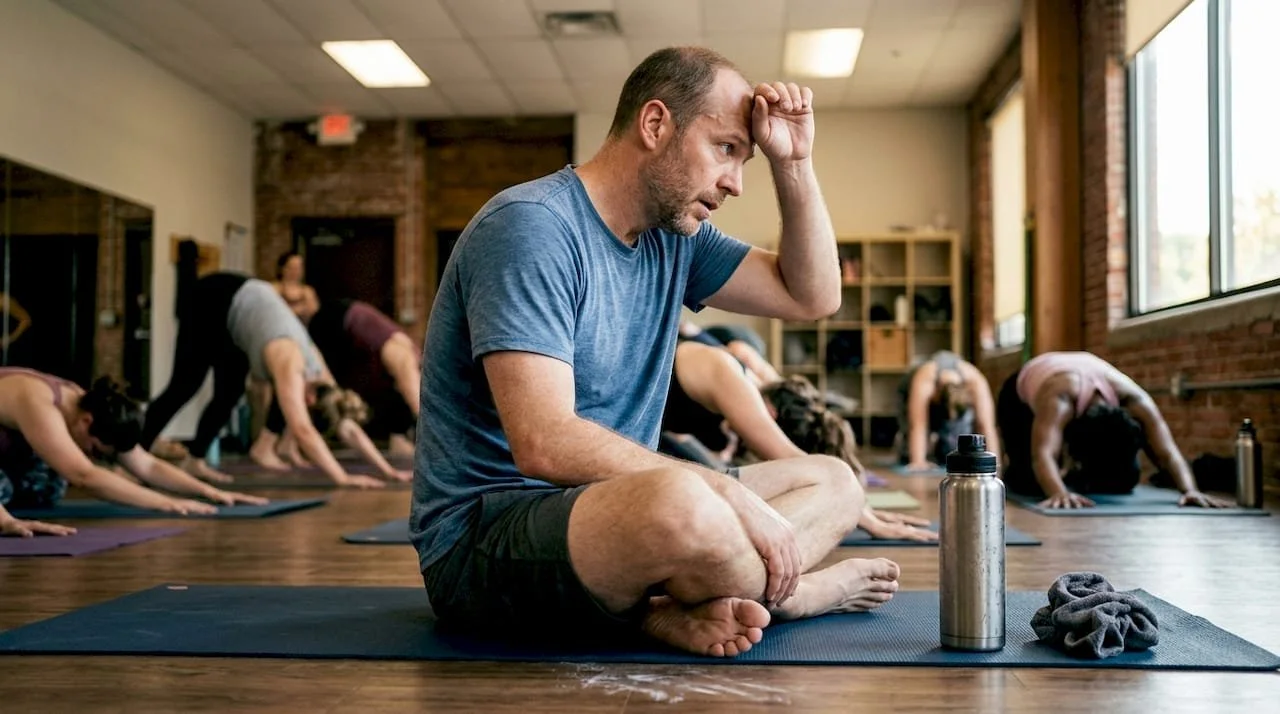
Hot yoga places unique demands on the body because it combines movement, breath and heat. Participants often sweat more than they expect, and energy levels can change quickly if hydration or food timing is poor. A safe and comfortable practice depends on preparing the body properly before class and supporting recovery afterward.
For people attending hot yoga, hydration, electrolytes and meal timing are not minor details. They directly affect comfort, focus and performance in the heated room. The goal is not complicated nutrition. It is simple preparation that helps the body practise well.
Hydration should begin early
Drinking water right before class is not enough. Hydration should happen throughout the day. This is especially important for people attending evening classes after work.
Coffee, tea and busy schedules can sometimes reduce water intake. By the time class begins, the body may already be behind.
A steady water habit helps participants feel more comfortable during heated practice.
Electrolytes may help heavy sweaters
Sweat contains water and minerals. People who sweat heavily may benefit from electrolytes, especially if they attend heated classes often or feel drained afterward.
Electrolytes can help support fluid balance. They may be useful before or after class, depending on the person’s needs.
Not everyone needs sports drinks. Some people can get enough through food and water. The key is noticing how the body responds.
Meal timing affects comfort
A heavy meal immediately before hot yoga can feel uncomfortable. Twists, bends and forward folds may not feel good when digestion is active. On the other hand, practising on an empty stomach may make some people feel weak.
A balanced meal two to three hours before class often works well. If class is soon, a light snack may be better.
Options may include fruit, yoghurt, toast, oats or a small smoothie.
Avoid extreme restriction
Some people attend hot yoga for weight management and may avoid eating beforehand. This can backfire if energy drops during class. Heated rooms already create physical demand, so the body needs support.
Food should be viewed as fuel. A light, sensible option before class can help maintain focus and comfort.
Weight management depends on overall habits, not skipping food before one session.
Post-class recovery matters
After hot yoga, the body needs fluids and a balanced meal. This is especially true after heavy sweating. Protein, carbohydrates and minerals can support recovery.
For evening classes, dinner can serve as the recovery meal. For morning classes, breakfast matters. For lunchtime classes, a balanced lunch supports the rest of the day.
A fitness environment such as True Fitness Singapore can provide the structured class, while nutrition habits support the body outside the studio.
Cooling down should include fluids
After class, participants should take time to cool down, breathe and rehydrate. Drinking water too quickly may feel uncomfortable for some, so steady intake can be better.
Replacing fluids after class helps reduce fatigue and supports recovery.
The body should feel restored, not depleted.
Listen to warning signs
Poor hydration or food timing can lead to dizziness, nausea, headache or unusual fatigue. These signs should not be ignored.
Participants should rest, reduce intensity or leave the room if needed. Hydration and meal timing can then be adjusted before the next class.
A safe practice is more important than completing every posture.
FAQ
Should I drink electrolytes before every hot yoga class?
Not necessarily. If you sweat heavily, feel drained or attend often, electrolytes may help. Otherwise, water and balanced meals may be enough.
What should I eat before an evening hot yoga class?
Have a balanced lunch and a light snack in the afternoon if needed. Fruit, yoghurt, oats or toast can work well.
Is it okay to practise hot yoga on an empty stomach?
Some people can, but others feel weak or dizzy. Test carefully and choose a light snack if needed.
What should I avoid before hot yoga?
Avoid heavy, oily meals and excessive alcohol. Also avoid arriving dehydrated, especially after a busy day or travel.
Conclusion
Hydration, electrolytes and meal timing are essential for heated yoga sessions. They help participants stay focused, comfortable and safe in the heated environment.
For people in Singapore, simple habits such as steady water intake, sensible snacks and post-class recovery meals can make hot yoga more enjoyable and sustainable.