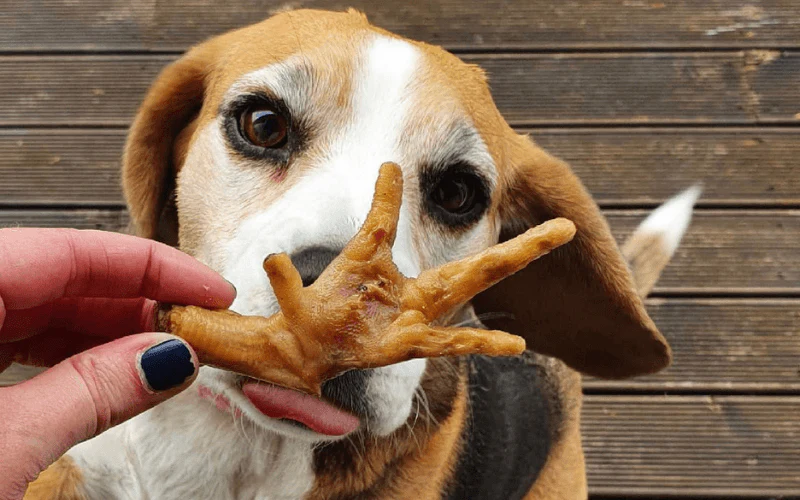
Ask most dog owners what treats they give their dogs and you’ll hear the same handful of answers — dried biscuits, cheese, a bit of leftover chicken, whatever was on special at the supermarket. It’s not that these owners don’t care; it’s that the sheer volume of options on the market makes it genuinely hard to know where to start.
There’s a shift happening, though. More Australians are approaching their dogs’ diets with the same scrutiny they apply to their own food — reading ingredient labels, asking where things are sourced, thinking about what a treat is actually doing beyond the basic function of being something the dog enjoys. It’s a positive development, and it’s driving some genuinely excellent products into the mainstream.
This guide focuses on four categories that deserve more attention than they typically get: natural dog treats as a broad philosophy, fish-based options, kangaroo, and the somewhat surprising world of yoghurt drops. Along the way, we’ll look at how to think about dog snacks more broadly — not just as rewards, but as tools for health, training, and enrichment.
What Does “Natural” Mean for Dog Treats — And Why It Matters
The word “natural” appears on more pet food packaging than almost any other descriptor, yet it carries no legal definition under Australian pet food standards. A product labelled natural could be a single-ingredient dried meat chew with nothing added, or it could be a heavily processed treat with “natural flavours” listed somewhere in a long ingredient paragraph. The word alone tells you very little.
What actually indicates a natural product is the ingredient list itself. A genuinely natural treat will:
- List a specific protein or ingredient first — chicken, kangaroo, salmon, beef liver — not a generic descriptor like “meat meal” or “animal derivatives”
- Have a short ingredient list — three or fewer items is a reasonable benchmark for treats
- Contain no artificial preservatives, colours, or flavour enhancers
- Be honest about the country of origin and, ideally, the source of the raw ingredients
Australia is well-positioned in this space. The combination of clean growing conditions, strict biosecurity controls, and a domestic livestock and seafood industry that operates under strong regulatory oversight means that locally sourced and processed treats tend to be of genuinely high quality.
Single-ingredient treats — where the only ingredient is the named protein — represent the clearest possible standard. There is no ambiguity about what your dog is eating. No hidden additives, no ingredient you’d need to look up. For owners who’ve navigated food sensitivities or who simply prefer to know exactly what they’re feeding, this transparency is meaningful.
Beyond the label, the processing method matters too. Air-drying and freeze-drying preserve nutritional integrity better than high-heat manufacturing. Slow-dried or dehydrated treats retain more of the natural enzymes, amino acids, and nutrients present in the raw ingredient. This isn’t marketing language — the science of food processing shows measurable differences in nutrient retention across methods.
Fish Treats for Dogs: Underrated, Underused, and Excellent
Fish-based dog treats occupy a strange position in the market. They’re nutritionally excellent, well-tolerated by most dogs, and one of the more sustainable protein options available — yet they remain significantly less common in Australian dogs’ treat rotations than chicken or beef.
Part of this comes down to perception. Fish treats have a reputation for being smelly, which puts some owners off, and dogs that have never encountered fish-based food can be initially uncertain about it. But for dogs that take to fish treats, they quickly become a favourite — and the reasons to include them are compelling.
The Nutritional Case for Fish
Fish is one of the few natural sources of omega-3 fatty acids in a form that dogs can readily utilise. Specifically, oily fish like salmon, sardines, and mackerel provide eicosapentaenoic acid (EPA) and docosahexaenoic acid (DHA) — the long-chain omega-3s associated with:
- Coat quality and skin health — visible improvements in sheen and reduced flakiness are commonly reported within weeks of regular supplementation
- Cognitive function and brain development — particularly relevant for puppies and senior dogs
- Reduction of inflammatory processes — useful for dogs with joint issues, allergies, or other inflammatory conditions
- Cardiovascular health — fish-derived omega-3s support heart function across species
Most dogs do not get sufficient omega-3s from their regular diet unless it’s specifically formulated to include them. Fish treats for dogs are a practical and palatable way to close this gap without the hassle of daily oil supplementation, which many dogs find off-putting when added directly to food.
What to Look For in Fish Treats
The quality range within fish treats is wide. At one end, you have whole dried fish — sprats, sardines, or whitebait — processed minimally and retaining almost all of the nutritional profile of the raw fish. At the other end, you have fish-flavoured biscuits that may contain very little actual fish alongside a long list of other ingredients.
For the nutritional benefits to materialise, you want:
- Named fish species — “salmon”, “sardine”, “whiting” rather than “fish” or “ocean fish”
- Minimal processing — air-dried, freeze-dried, or gently dehydrated
- No added salt — fish is naturally higher in sodium than land-based proteins; additional salt is unnecessary
- Sustainably sourced where possible — look for Marine Stewardship Council (MSC) certification or domestic Australian fishery sourcing
Fish treats also make excellent training treats for dogs that respond to them. They’re intensely palatable, typically low in calories, and soft enough to be broken into small pieces for high-volume training sessions.
Kangaroo: The Australian Superfood Your Dog Isn’t Getting Enough Of
Kangaroo has been used in veterinary elimination diets for decades — specifically because it’s one of the few proteins that most Australian dogs haven’t encountered, making it useful for identifying food allergies. That’s one application, but it undersells what kangaroo genuinely brings to the table as an everyday treat ingredient.
Kangaroo dog treats deliver a nutritional profile that holds up against any conventional protein:
- High protein, low fat — kangaroo is a lean red meat with protein content typically around 22–24% and fat content under 2%. For dogs on calorie-controlled diets or those managing weight, this combination is genuinely useful.
- Rich in micronutrients — kangaroo is a strong source of iron, zinc, B12, and conjugated linoleic acid (CLA), a fatty acid with anti-inflammatory properties
- Naturally high in omega-3 — wild-harvested kangaroo grazes on native grasses, which translates to a more favourable omega-3 to omega-6 ratio than grain-fed livestock
- Novel protein — for dogs with confirmed or suspected chicken, beef, or lamb allergies, kangaroo offers a clean alternative with an established track record in veterinary dietetics
From an environmental standpoint, kangaroo is arguably the most sustainable red meat available in Australia. The animals are wild-harvested under a federal quota management system, require no farming infrastructure, water, or feed inputs, and have a methane output significantly lower than ruminant livestock. For owners who factor sustainability into their purchasing decisions, this matters.
Kangaroo treats come in a wide range of formats — jerky strips, liver pieces, dried mince rolls, and bones — making them easy to incorporate into both training and enrichment routines regardless of dog size.
The Surprising Case for Yoghurt Drops
Few treat categories prompt more raised eyebrows than yoghurt-based options. Dogs and dairy — isn’t that a problem? It’s a reasonable question, and the answer, as with most things in canine nutrition, is nuanced.
Most adult dogs are not lactose intolerant in the way that phrase is commonly understood. They do have lower levels of lactase — the enzyme that breaks down lactose — than puppies or humans, but the amount of lactose in a small yoghurt treat is typically well within what a healthy adult dog can process without issue. The caveat: individual dogs vary, and some are more sensitive than others. Introduce any dairy-based treat gradually and watch for signs of digestive upset.
Yoghurt drops for dogs that are made with quality ingredients offer more than just palatability. Probiotic-containing yoghurts support gut microbiome diversity, which has downstream benefits for immune function, digestion, and even behaviour. The link between gut health and overall wellbeing in dogs mirrors the human research in this area — a healthy, diverse gut microbiome is increasingly recognised as foundational to systemic health.
What Makes a Good Yoghurt Drop
Not all yoghurt treats are created equal. Commercially produced yoghurt drops vary significantly in their actual yoghurt content and in the other ingredients used to hold them together or extend shelf life.
Look for:
- Real yoghurt or yoghurt powder listed prominently in the ingredients
- Live cultures listed — Lactobacillus acidophilus, Bifidobacterium — if gut health benefit is a priority
- No xylitol — this artificial sweetener, used in some human yoghurts and yoghurt-flavoured products, is acutely toxic to dogs even in small amounts. Always check.
- No artificial colours or flavours — yoghurt drops don’t need to be pink or strawberry-flavoured to appeal to a dog
- Appropriate sugar content — some yoghurt treats are made to appeal to owners more than dogs, with added sweeteners that are unnecessary and potentially problematic
Yoghurt drops are typically soft, small, and well-received — making them genuinely useful as training treats for dogs that respond to dairy-based flavours, and as a change-of-pace option for dogs that have become habituated to their usual rewards.
Building a Thoughtful Dog Snack Rotation
One of the most practical things an engaged dog owner can do is deliberately vary their dog’s treat rotation. This isn’t about spoiling the dog — it’s about managing sensitisation risk, maintaining motivation, and ensuring nutritional variety across the week.
A well-rounded dog snacks rotation might look something like this:
High-value training treats (used during active training sessions):
- Small pieces of fish treat — intensely palatable, low calorie, easy to break into pea-sized pieces
- Freeze-dried kangaroo liver — highly motivating, minimal ingredients, excellent for high-distraction environments
Everyday rewards (calm behaviour, compliance, general positive interaction):
- Yoghurt drops — novel texture, palatable, appropriate for daily moderate use
- Small natural chews — dried kangaroo strips or fish skin pieces for brief engagement
Enrichment and dental chews (longer duration, behavioural benefit):
- Bully sticks or natural bones — reserved for extended chewing sessions, not everyday use
- Harder chews appropriate to the dog’s size and age
Weekly considerations:
- Rotate protein sources to reduce the risk of developing a sensitivity to any single ingredient
- Adjust main meal quantities on days when treat use is higher than usual
- Keep an eye on body condition — a dog whose ribs you can feel easily but not see is at a healthy weight; one whose ribs you struggle to find needs a caloric review
Treats should constitute no more than approximately 10% of a dog’s total daily calorie intake. For a medium-sized dog eating around 600 calories per day, that’s a treat budget of roughly 60 calories — equivalent to three or four moderate-sized fish treats, or six to eight small yoghurt drops.
Ingredient Spotlights: What Each Protein Does Best
Different proteins genuinely have different strengths. Understanding this allows you to use treats strategically rather than interchangeably.
Fish — Best for: coat and skin health, omega-3 supplementation, training treats, novel protein rotation. Particularly useful for dogs with inflammatory conditions or those needing a low-fat, high-palatability option.
Kangaroo — Best for: lean protein delivery, dogs with common protein allergies, sustainable sourcing preference, active dogs with high protein requirements. The low-fat, high-iron profile suits dogs in peak condition maintenance.
Yoghurt/dairy — Best for: gut microbiome support, variety, palatability for dairy-receptive dogs, low-stakes reward moments. Best used as a complement to meat-based treats rather than a substitute.
Blended natural chews — Best for: dental health, extended engagement, anxiety reduction through chewing activity, enrichment for working or high-drive dogs.
No single treat category covers everything — the value is in the rotation.
Conclusion
The best thing about the Australian natural pet treat market right now is the quality of what’s available. From whole dried fish to air-dried kangaroo strips to probiotic yoghurt drops, dog owners have access to treats that would have been considered specialty items a decade ago and are now readily available from good pet retailers.
Taking advantage of that variety means stepping away from the default habit of grabbing whatever’s familiar and instead building a considered rotation that reflects what your dog actually needs — nutritionally, behaviourally, and from a training perspective.
It doesn’t need to be complicated. Read the ingredients, rotate the proteins, match the treat to the context, and keep an eye on the overall calorie picture. Done consistently, this approach makes a real difference to your dog’s health and to the quality of your relationship with them — because a dog that’s rewarded thoughtfully is a dog that’s learning, engaged, and genuinely happy.