close

Restaurants

Restaurants

The Ultimate Guide to Creating a Standout Restaurant Concept

Opening a restaurant in the modern culinary landscape requires far more than serving delicious food and offering polite service. The hospitality industry is intensely competitive, and consumer preferences shift rapidly toward unique experiences, authenticity, and distinct brand identities. Walking down any vibrant city street reveals dozens of dining options competing for the exact same customer base. To survive and thrive amidst this crowded market, you must establish a standout restaurant concept that immediately captures attention and communicates its value proposition within seconds. A powerful concept serves as the foundational anchor for every single business decision you will make, guiding everything from menu development and interior design to staff hiring and marketing strategies. Without a clear and compelling vision, even the most talented chefs and experienced operators struggle to build a loyal customer base.

Defining Your Core Identity and Vision

The process of creating a standout restaurant concept begins deep introspection and market research. You need to answer a fundamental question: what gap exists in your local market that your restaurant is uniquely qualified to fill? Trying to appeal to everyone is a classic pitfall that often results in a bland, forgettable brand that appeals to no one in particular. Your concept must have a clear point of view, whether that is centered around hyper-local farm-to-table sourcing, an innovative fusion of two distinct culinary traditions, or an immersive dining experience built around a specific theme.
Your core identity should be easy to articulate in a single sentence. If you cannot explain your restaurant concept clearly to a stranger in ten seconds, your branding is too complicated. This clarity acts as an internal compass for your entire team. When kitchen staff, front-of-house servers, and marketing managers all understand the core mission of the restaurant, they can deliver a cohesive experience to every guest who walks through the door.
  • Identify Your Target Demographic: Research the age, income level, dining habits, and psychological profile of the people living or working in your target neighborhood.
  • Analyze the Local Competition: Map out existing restaurants in your area to find oversaturated niches and, more importantly, underserved culinary voids.
  • Determine Your Price Point: Align your concept deliberately with your pricing strategy from day one, ensuring your target audience can comfortably afford your menu offerings.

Crafting the Culinary Identity and Menu Story

Once your overarching concept is defined, the menu becomes the physical manifestation of that vision. A standout restaurant concept features a tightly edited menu that tells a coherent story rather than reading like an encyclopedia of random dishes. Every single item on your menu should reinforce your brand identity. If your concept is a rustic southern smokehouse, delicate French pastries will feel wildly out of place and confuse your guests.
Menu engineering is both an art and a science. Beyond offering incredible flavors, your menu must be structured to protect your profit margins and accommodate kitchen efficiency. Limiting item counts helps reduce food waste, simplifies inventory management, and allows your line cooks to execute every dish with speed and precision during a chaotic Friday night rush.
  • Focus on Signature Items: Develop two or three hero dishes that become synonymous with your brand and encourage guests to return specifically to taste them again.
  • Use Evocative Descriptions: Write menu descriptions that highlight ingredient origins, preparation methods, and flavor profiles without relying on overwhelming culinary jargon.
  • Balance Your Offerings: Ensure your menu accommodates common dietary restrictions and preferences, such as vegetarian, vegan, and gluten-free options, without diluting your core culinary theme.

Designing the Physical and Sensory Environment

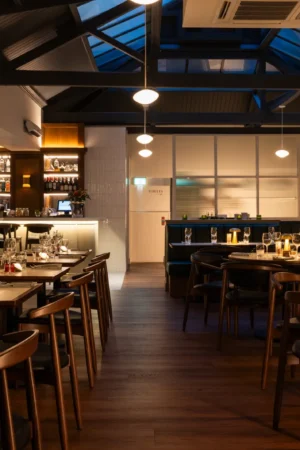
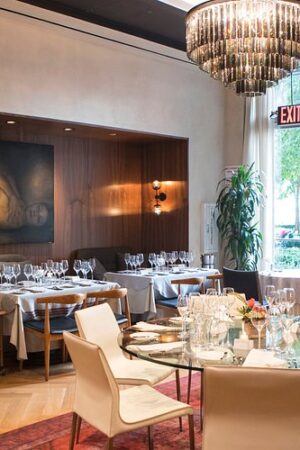
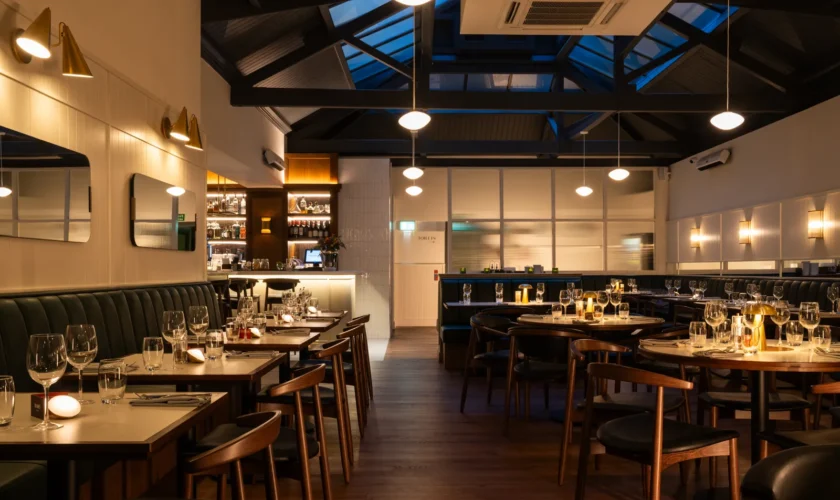
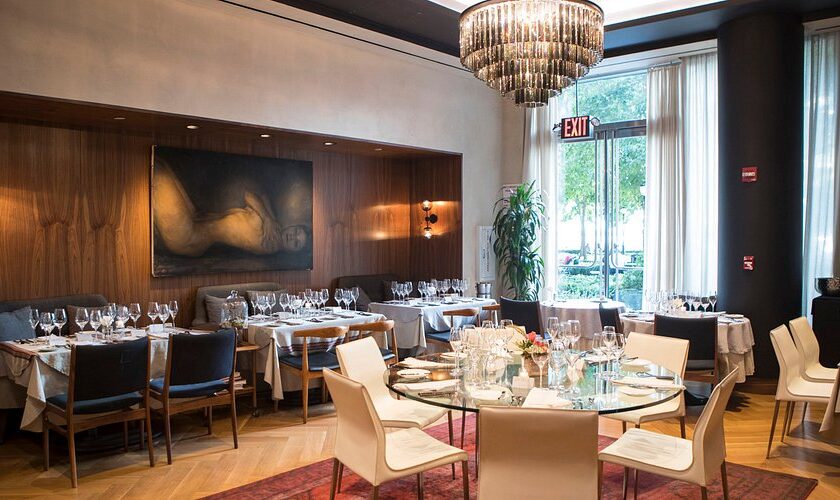
A restaurant is an immersive theatrical production where food is only one act of the performance. The physical environment plays a massive role in whether guests enjoy their experience and, crucially, whether they decide to photograph and share their visit on social media. Every sensory element within your four walls must harmonize with your restaurant concept.
Consider how lighting, acoustic design, scent, music volume, and interior decor work together to shape mood. A high-end fine dining concept requires soft, intimate lighting, acoustic dampening panels to reduce noise, and refined table settings. Conversely, a high-energy urban taco joint thrives on bright colors, upbeat background music, and bustling communal seating arrangements. Ignoring these environmental details creates cognitive dissonance for the diner, making the overall experience feel disjointed and unmemorable.
  • Acoustic Management: Ensure your dining room allows guests to converse comfortably without shouting over blaring music or the clatter of the kitchen.
  • Lighting Layers: Use adjustable lighting to shift the mood seamlessly from bright, energetic daytime lunches to warm, cozy evening dinners.
  • Thoughtful Seating Layout: Balance maximum seating capacity with adequate personal space so guests never feel cramped or exposed to heavy foot traffic paths.

Aligning Operations and Marketing with Your Concept

A brilliant concept on paper is useless if your operational execution and marketing fail to communicate it effectively to the public. Your front-of-house service style, uniform choices, and brand voice on digital platforms must match the personality of your restaurant. If your concept is casual and whimsical, stiff formal service will alienate your clientele.
Marketing your standout concept starts long before you open your physical doors. Build anticipation through targeted local social media campaigns, behind-the-scenes content highlighting your culinary inspiration, and exclusive preview events for local food writers and community influencers. Once open, focus on cultivating a community around your brand, turning satisfied first-time diners into passionate brand advocates.

Frequently Asked Questions

How do I know if my restaurant concept is too niche?

A concept is too niche if the local market size cannot sustain your business model year-round. While uniqueness is essential, you must ensure there is a large enough local population or tourist draw willing to patronize your restaurant regularly.

Can a restaurant concept evolve after it has opened?

Yes, successful restaurants continuously refine their menus and service styles based on customer feedback and sales data. However, major pivots should be gradual and strategic to avoid alienating your core loyal customer base.

What role do exterior signage and curb appeal play in a restaurant concept?

Curb appeal is your first impression. Your exterior signage, window displays, and entrance area must instantly signal your restaurant style and pricing tier to passersby before they even look at a menu.

How can I test my restaurant concept before spending money on a lease?

Many modern operators test new concepts by running a temporary pop-up restaurant, operating out of a shared ghost kitchen, or catering private events to gauge customer reaction and refine recipes with minimal financial risk.

How do I ensure my staff embodies the restaurant concept?

Incorporate your concept philosophy directly into your hiring process and training manuals. Teach your team the story behind the brand so they can share it authentically with guests rather than just reciting scripted lines.

Why is it important to limit the number of items on a new menu?

A large menu increases inventory holding costs, slows down kitchen ticket times, and leads to higher rates of food waste. A tight, focused menu ensures higher ingredient turnover and consistent execution.

How do I price my menu to ensure financial survival?

Calculate the exact cost of every ingredient in a dish, factor in overhead expenses like labor and rent, and set your menu prices to achieve your target food and labor cost percentages from day one.
read more
Restaurants

The Realities of Opening Your First Signature Restaurant

Stepping into the culinary industry as a first-time restaurant owner is a monumental milestone. For many chefs and passionate food entrepreneurs, conceptualizing a signature restaurant represents the culmination of years of hard work, creative experimentation, and personal sacrifice. The romantic vision often involves bustling dining rooms, glowing reviews, and happy patrons savoring meticulously crafted dishes. However, bridging the gap between a culinary dream and a sustainable business reality requires navigating a complex landscape of finance, logistics, and operational stress. Understanding the unglamorous truths of restaurant ownership before signing a commercial lease can mean the difference between a thriving establishment and a premature closure.

The Financial Reality Beyond Initial Capital

Securing funding for your first restaurant is only the first hurdle in a long financial marathon. Many first-time owners make the critical mistake of calculating startup costs based solely on kitchen equipment, interior design, and the first month of inventory. In reality, a new restaurant typically requires a substantial cash reserve to sustain operations through the initial phase of low profitability.
Unexpected expenses will materialize rapidly. Equipment breaks down, municipal permitting processes take longer than anticipated, and supply chain volatility can drive up food costs overnight. Furthermore, establishing brand awareness takes time, meaning revenue during the first several months may fall significantly short of monthly overhead.
  • Build a Robust Cash Buffer: Experts recommend having a liquid reserve that covers at least six months of projected operating expenses before opening your doors.
  • Account for Hidden Fees: Factor in legal fees, accountant retainers, commercial waste management contracts, licensing renewals, and mandatory point-of-sale software subscriptions.
  • Master Prime Costs: Keep a relentless focus on your labor and food costs, which together should ideally remain under 60 percent of your total gross revenue to ensure survival.

Navigating the Labor Market and Staffing Crisis

Building and retaining a reliable team is arguably the most challenging aspect of running a modern restaurant. The hospitality industry faces ongoing labor shortages, making recruitment and retention a daily operational focus. As a first-time owner, you cannot rely solely on your culinary vision; you must also act as a leader, mentor, and human resources manager.
High turnover rates drain time and resources, disrupting kitchen consistency and front-of-house service standards. Creating a positive work culture, offering competitive wages, and providing clear paths for advancement are essential strategies for keeping talent. Moreover, you must prepare to step into any role at a moment notice. Whether you need to expedite orders on the line, wash dishes during a sudden rush, or host guests at the door, flexibility is your greatest asset.

Location Logistics and Lease Negotiations

Choosing the right physical location involves much more than finding an empty space in a trendy neighborhood. A brilliant concept can fail entirely if foot traffic is inadequate, parking is non-existent, or local zoning laws restrict your operational hours and alcohol licensing.
When negotiating a commercial lease, working with an attorney who specializes in restaurant real estate is non-negotiable. Landlords often include restrictive clauses or pass exorbitant property maintenance fees onto the tenant.
  • Analyze Local Demographics: Ensure the neighborhood profile aligns directly with your target audience, price point, and culinary style.
  • Inspect Infrastructure: Verify that the building has adequate electrical capacity, gas lines, grease traps, and ventilation systems to handle heavy commercial kitchen equipment. Upgrading these systems independently can cost tens of thousands of dollars.
  • Understand Lease Terms: Negotiate for favorable renewal options and clarify who bears financial responsibility for structural repairs to the roof, plumbing, and HVAC units.

Managing Creative Passion Versus Operational Efficiency

Opening a signature restaurant allows you to express your culinary identity through unique ingredients and artistic plating techniques. However, balancing artistic expression with operational efficiency is vital for long-term viability. Menus that feature overly complicated dishes requiring rare, highly perishable ingredients often lead to massive food waste and slow ticket times during peak service hours.
Streamlining your menu around cross-utilized ingredients helps control inventory costs while maintaining high quality. Every item on the plate should serve a distinct purpose, enhancing flavor while contributing to a profitable margin. Learning to compromise between what you want to cook and what your local market is willing to buy and sustain is a vital evolution for every new restaurateur.

Frequently Asked Questions

How long does it typically take for a new restaurant to turn a profit?

Most new restaurants operate at a loss or break-even point for the first six to twelve months. Building a loyal customer base, refining operational efficiency, and stabilizing food and labor costs take time.

What is the most common reason new restaurants fail?

Under-capitalization is the leading cause of restaurant failure. Owners frequently run out of cash before the business has enough time to build sustainable revenue and weather initial slow periods.

How do I handle guest complaints effectively without losing my composure?

Listen to the guest attentively without interrupting, apologize sincerely for their negative experience, and offer an immediate solution such as remaking a dish or comping a portion of the bill. Transforming a dissatisfied customer into an advocate requires empathy and prompt action.

Should I hire a professional restaurant consultant?

While hiring a consultant requires an upfront investment, their industry experience can save you thousands of dollars by preventing costly mistakes in kitchen layout, menu pricing, and regulatory compliance.

How can I minimize food waste during the first few months of operation?

Start with a compact, focused menu that shares core ingredients across multiple dishes. Conduct daily inventory counts on high-cost items and run daily specials to utilize ingredients approaching their expiration date.

What insurance policies are mandatory for a restaurant owner?

You will need general liability insurance, workers compensation insurance, commercial property insurance, and liquor liability insurance to protect your business against lawsuits, property damage, and workplace injuries.

How do I establish relationships with reliable food suppliers?

Research multiple regional distributors, compare pricing structures, and schedule in-person meetings to discuss your volume expectations and quality standards. Building strong, respectful relationships with your sales reps often results in priority deliveries and better payment terms.
read more
Restaurants

What Makes a Restaurant Truly Memorable

A memorable restaurant does more than serve good food. It creates an experience that lingers in a guest’s mind long after the meal ends. From the first greeting to the final bite, every detail contributes to whether customers return, recommend, and remember.

Exceptional Food That Tells a Story

Food is the heart of any restaurant, but memorability comes from purposeful cooking, not just technical skill.

Key elements include:

  • Consistent quality across every visit
  • Clear flavor identity or cuisine focus
  • Signature dishes that define the menu

Guests remember meals that feel intentional rather than generic.

Atmosphere That Matches the Concept

A strong atmosphere reinforces the restaurant’s personality and sets expectations before the first plate arrives.

Important atmospheric factors:

  • Lighting that suits the mood
  • Comfortable seating and thoughtful layout
  • Music and acoustics that enhance conversation

When ambiance aligns with the food, the experience feels cohesive and complete.

Service That Feels Genuine

Outstanding service is not about perfection—it is about authentic care and attentiveness.

Memorable service often includes:

  • Warm, confident greetings
  • Staff knowledge about the menu
  • Timely attention without intrusion

Guests remember how they were treated as much as what they ate.

Consistency Builds Trust

Consistency turns first-time guests into regulars. A memorable restaurant delivers the same level of quality every time.

Consistency applies to:

  • Food preparation
  • Portion sizes
  • Service standards

Reliability reassures guests that their experience will always meet expectations.

Attention to Small Details

Often, it is the small touches that make the biggest impact.

Examples include:

  • Clean, well-maintained restrooms
  • Thoughtful table settings
  • Clear and easy-to-read menus

These details signal professionalism and care without needing explanation.

Emotional Connection and Storytelling

Restaurants that connect emotionally stand out in a crowded market.

Ways to build connection:

  • Sharing the story behind the concept or dishes
  • Highlighting local ingredients or traditions
  • Creating rituals, such as a signature welcome or farewell

Emotional resonance transforms dining into memory.

Value Beyond Price

Value is not about being cheap—it is about feeling satisfied with what was received.

Guests perceive value when:

  • Portions feel appropriate
  • Quality matches pricing
  • The experience feels complete

When value is clear, guests leave content rather than questioning their choice.

Adaptability Without Losing Identity

Memorable restaurants evolve while staying true to their core identity.

Smart adaptability includes:

  • Seasonal menu updates
  • Listening to guest feedback
  • Adjusting service styles when needed

Growth keeps the experience fresh without sacrificing authenticity.

FAQ: Memorable Restaurant Experiences

1. Is great food enough to make a restaurant memorable?

No, food is essential, but service, atmosphere, and consistency play equally important roles.

2. How important is first impression in a restaurant?

First impressions set expectations and strongly influence how guests perceive the entire experience.

3. Can small restaurants compete with larger establishments?

Yes, smaller restaurants often excel by offering personalized service and a clear identity.

4. Do signature dishes really matter?

Yes, signature dishes give guests something specific to remember and recommend.

5. How does staff attitude affect memorability?

Friendly, confident staff create comfort and trust, leaving a lasting positive impression.

6. Should restaurants focus more on trends or tradition?

A balance works best—embracing trends while respecting the restaurant’s core concept.

7. What makes guests want to return?

Consistency, emotional connection, and feeling genuinely welcomed drive repeat visits.

A restaurant becomes truly memorable when food, service, and atmosphere work in harmony. It is the thoughtful combination of quality and care that turns a simple meal into an experience guests want to relive.

read more
1 2 3 7
Page 1 of 7