close

July 2026

Foods

Kala Jeera: Health Benefits, Uses & How It Differs from Regular Cumin

Kala jeera is frequently confused with regular cumin due to their similar appearance, but they are not identical spices. They differ in appearance, flavour and culinary applications. Understanding these differences helps you choose the right spice for your recipes while enjoying its unique nutritional value. This guide explains the health benefits, common uses and key distinctions of kala jeera.

What Is Kala Jeera?

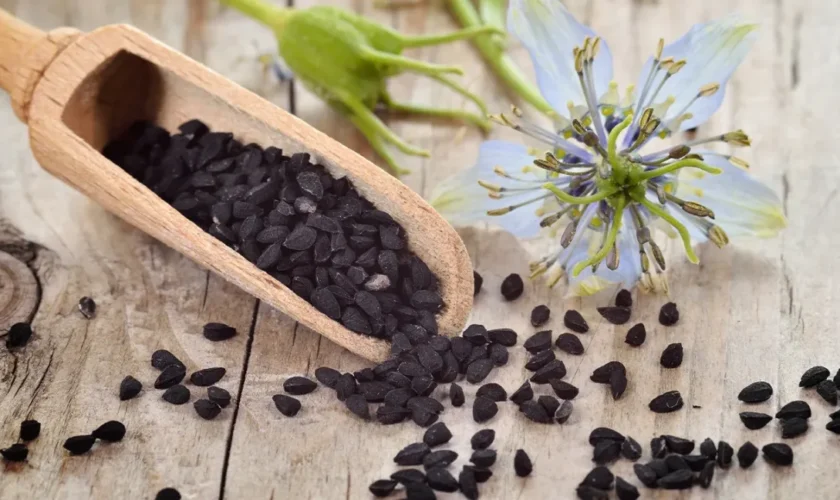
Kala jeera, also known as black cumin in many regions, is a fragrant spice valued for its earthy aroma and slightly sweet, smoky flavour. Its seeds are smaller, darker and finer than regular cumin seeds. It is widely used in regional Indian dishes, rice preparations, curries and spice blends where a deeper, more refined flavour is preferred.

Apart from enhancing taste, this spice also contains naturally occurring plant compounds that contribute to its nutritional profile.

Health Benefits of Kala Jeera

Including kala jeera as part of a balanced diet may offer several benefits.

  • Supports healthy digestion by stimulating digestive enzymes and reducing bloating.
  • Rich in antioxidant compounds that support the body’s natural protection against oxidative stress.
  • Provides essential minerals such as iron, which contributes to normal energy production.
  • May support overall metabolic health when consumed as part of a nutritious diet.
  • Adds flavour naturally, helping reduce the need for excessive salt or artificial seasonings in meals.

Although the spice has traditional medicinal importance, it should not replace professional medical advice or prescribed treatments.

Common Culinary Uses

The distinctive aroma of kala jeera makes it suitable for a variety of dishes.

  • Tempering dals and vegetable preparations.
  • Flavouring pulao, biryani and other rice dishes.
  • Blending into garam masala and regional spice mixes.
  • Adding depth to marinades, gravies and slow-cooked curries.
  • Enhancing pickles and savoury snacks.

To preserve its aroma, lightly roast the seeds before grinding or adding them to recipes.

How Does Kala Jeera Differ from Regular Cumin?

Although both spices share similarities, they are not identical.

Feature Kala Jeera Regular Cumin
Colour Dark brown to black Light brown
Seed size Smaller and thinner Larger and broader
Flavour Mild, smoky and slightly sweet Warm, earthy and more robust
Common use Premium rice dishes and regional recipes Everyday curries, dals and spice blends

Selecting the appropriate spice depends on the flavour profile your recipe requires.

Choosing Good Quality Kala Jeera

The freshness of whole spices significantly influences their taste, fragrance and culinary performance. Look for clean, uniform seeds with a strong natural fragrance. Store them in an airtight container away from heat, moisture and direct sunlight to maintain quality for longer. Trusted brands such as Sunrise Spices offer carefully selected whole spices that help retain authentic flavour and freshness in everyday cooking.

Conclusion

Kala jeera is much more than an aromatic seasoning. Its distinctive flavour, nutritional value and versatility make it an excellent addition to many traditional and modern recipes. Understanding how it differs from regular cumin allows you to use it more effectively while enjoying its unique taste. Choosing high-quality spices from reliable brands such as Sunrise Spices also helps you achieve better flavour and consistency in every meal.

FAQs

1. Is kala jeera the same as regular cumin?

No. Even though they belong to the same family of spices, they are easily distinguished by their appearance, aroma and flavour. Kala jeera has smaller, darker seeds and a milder, smoky taste.

2. How should I store kala jeera?

For best results, store it in an airtight container away from heat, moisture and direct sunlight. Proper storage helps preserve its flavour and fragrance.

3. Can kala jeera be used every day?

Yes, it can be used regularly in cooking as part of a balanced diet. It is commonly added to rice dishes, curries and spice blends for flavour.

read more
Restaurants

The Ultimate Guide to Creating a Standout Restaurant Concept

Opening a restaurant in the modern culinary landscape requires far more than serving delicious food and offering polite service. The hospitality industry is intensely competitive, and consumer preferences shift rapidly toward unique experiences, authenticity, and distinct brand identities. Walking down any vibrant city street reveals dozens of dining options competing for the exact same customer base. To survive and thrive amidst this crowded market, you must establish a standout restaurant concept that immediately captures attention and communicates its value proposition within seconds. A powerful concept serves as the foundational anchor for every single business decision you will make, guiding everything from menu development and interior design to staff hiring and marketing strategies. Without a clear and compelling vision, even the most talented chefs and experienced operators struggle to build a loyal customer base.

Defining Your Core Identity and Vision

The process of creating a standout restaurant concept begins deep introspection and market research. You need to answer a fundamental question: what gap exists in your local market that your restaurant is uniquely qualified to fill? Trying to appeal to everyone is a classic pitfall that often results in a bland, forgettable brand that appeals to no one in particular. Your concept must have a clear point of view, whether that is centered around hyper-local farm-to-table sourcing, an innovative fusion of two distinct culinary traditions, or an immersive dining experience built around a specific theme.
Your core identity should be easy to articulate in a single sentence. If you cannot explain your restaurant concept clearly to a stranger in ten seconds, your branding is too complicated. This clarity acts as an internal compass for your entire team. When kitchen staff, front-of-house servers, and marketing managers all understand the core mission of the restaurant, they can deliver a cohesive experience to every guest who walks through the door.
  • Identify Your Target Demographic: Research the age, income level, dining habits, and psychological profile of the people living or working in your target neighborhood.
  • Analyze the Local Competition: Map out existing restaurants in your area to find oversaturated niches and, more importantly, underserved culinary voids.
  • Determine Your Price Point: Align your concept deliberately with your pricing strategy from day one, ensuring your target audience can comfortably afford your menu offerings.

Crafting the Culinary Identity and Menu Story

Once your overarching concept is defined, the menu becomes the physical manifestation of that vision. A standout restaurant concept features a tightly edited menu that tells a coherent story rather than reading like an encyclopedia of random dishes. Every single item on your menu should reinforce your brand identity. If your concept is a rustic southern smokehouse, delicate French pastries will feel wildly out of place and confuse your guests.
Menu engineering is both an art and a science. Beyond offering incredible flavors, your menu must be structured to protect your profit margins and accommodate kitchen efficiency. Limiting item counts helps reduce food waste, simplifies inventory management, and allows your line cooks to execute every dish with speed and precision during a chaotic Friday night rush.
  • Focus on Signature Items: Develop two or three hero dishes that become synonymous with your brand and encourage guests to return specifically to taste them again.
  • Use Evocative Descriptions: Write menu descriptions that highlight ingredient origins, preparation methods, and flavor profiles without relying on overwhelming culinary jargon.
  • Balance Your Offerings: Ensure your menu accommodates common dietary restrictions and preferences, such as vegetarian, vegan, and gluten-free options, without diluting your core culinary theme.

Designing the Physical and Sensory Environment

A restaurant is an immersive theatrical production where food is only one act of the performance. The physical environment plays a massive role in whether guests enjoy their experience and, crucially, whether they decide to photograph and share their visit on social media. Every sensory element within your four walls must harmonize with your restaurant concept.
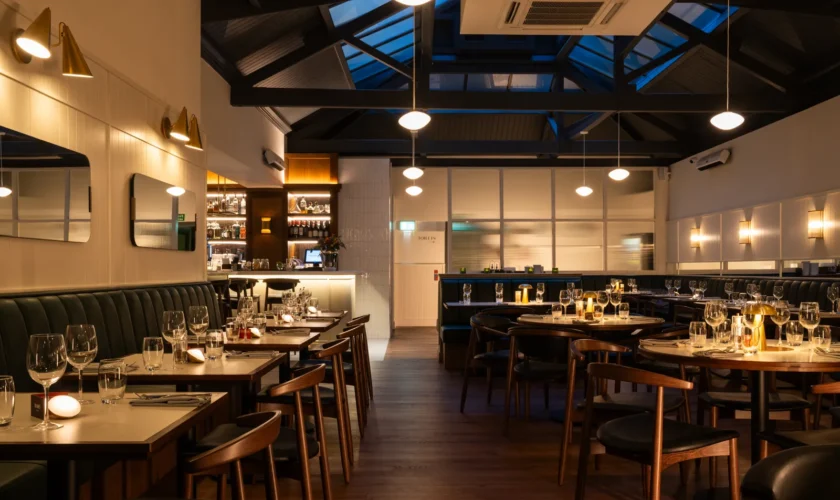
Consider how lighting, acoustic design, scent, music volume, and interior decor work together to shape mood. A high-end fine dining concept requires soft, intimate lighting, acoustic dampening panels to reduce noise, and refined table settings. Conversely, a high-energy urban taco joint thrives on bright colors, upbeat background music, and bustling communal seating arrangements. Ignoring these environmental details creates cognitive dissonance for the diner, making the overall experience feel disjointed and unmemorable.
  • Acoustic Management: Ensure your dining room allows guests to converse comfortably without shouting over blaring music or the clatter of the kitchen.
  • Lighting Layers: Use adjustable lighting to shift the mood seamlessly from bright, energetic daytime lunches to warm, cozy evening dinners.
  • Thoughtful Seating Layout: Balance maximum seating capacity with adequate personal space so guests never feel cramped or exposed to heavy foot traffic paths.

Aligning Operations and Marketing with Your Concept

A brilliant concept on paper is useless if your operational execution and marketing fail to communicate it effectively to the public. Your front-of-house service style, uniform choices, and brand voice on digital platforms must match the personality of your restaurant. If your concept is casual and whimsical, stiff formal service will alienate your clientele.
Marketing your standout concept starts long before you open your physical doors. Build anticipation through targeted local social media campaigns, behind-the-scenes content highlighting your culinary inspiration, and exclusive preview events for local food writers and community influencers. Once open, focus on cultivating a community around your brand, turning satisfied first-time diners into passionate brand advocates.

Frequently Asked Questions

How do I know if my restaurant concept is too niche?

A concept is too niche if the local market size cannot sustain your business model year-round. While uniqueness is essential, you must ensure there is a large enough local population or tourist draw willing to patronize your restaurant regularly.

Can a restaurant concept evolve after it has opened?

Yes, successful restaurants continuously refine their menus and service styles based on customer feedback and sales data. However, major pivots should be gradual and strategic to avoid alienating your core loyal customer base.

What role do exterior signage and curb appeal play in a restaurant concept?

Curb appeal is your first impression. Your exterior signage, window displays, and entrance area must instantly signal your restaurant style and pricing tier to passersby before they even look at a menu.

How can I test my restaurant concept before spending money on a lease?

Many modern operators test new concepts by running a temporary pop-up restaurant, operating out of a shared ghost kitchen, or catering private events to gauge customer reaction and refine recipes with minimal financial risk.

How do I ensure my staff embodies the restaurant concept?

Incorporate your concept philosophy directly into your hiring process and training manuals. Teach your team the story behind the brand so they can share it authentically with guests rather than just reciting scripted lines.

Why is it important to limit the number of items on a new menu?

A large menu increases inventory holding costs, slows down kitchen ticket times, and leads to higher rates of food waste. A tight, focused menu ensures higher ingredient turnover and consistent execution.

How do I price my menu to ensure financial survival?

Calculate the exact cost of every ingredient in a dish, factor in overhead expenses like labor and rent, and set your menu prices to achieve your target food and labor cost percentages from day one.
read more
Recipes

How to Scale a Recipe Up or Down for Any Crowd Size

Cooking for a crowd or shrinking a family recipe down for a single portion is one of the most practical skills a home cook can develop. Whether you are scaling up a weekend chili recipe to feed twenty guests at a neighborhood gathering or scaling down a massive holiday roast to serve a quiet weeknight dinner for two, the kitchen math can feel intimidating. Many home cooks make the mistake of assuming that recipe scaling is a linear equation across every single ingredient. They double the garlic, quadruple the salt, or multiply the baking powder by five, only to find that the final dish is overwhelmingly pungent or completely flat. Mastering the science of recipe adjustment requires understanding which ingredients multiply directly and which require careful calculation, ensuring that flavor, texture, and chemistry remain balanced regardless of the yield.

The Core Mathematics of Scaling Recipes

The foundation of scaling any recipe begins with determining your conversion factor. This number is calculated by dividing your desired yield by the original yield listed in the recipe. For example, if a standard soup recipe serves four people and you want to feed twelve guests, your desired yield of twelve divided by the original yield of four gives you a conversion factor of three. Every single ingredient measurement in that recipe must be multiplied by three to maintain the proper ratio.
However, writing down the math is much easier than executing it in the kitchen. Fractional measurements frequently cause confusion during scaling. If a recipe calls for three-quarters of a teaspoon of cumin and you need to multiply it by a factor of one and a half, you end up with one and one-eighth teaspoons, which is difficult to measure accurately using standard home kitchen tools. Rounding measurements slightly up or down is generally acceptable for herbs, spices, and aromatics, but precision becomes critical when dealing with baking chemistry or powerful seasonings like salt and heat elements.
  • Determine the Multiplier: Divide your target yield by the original recipe yield to find your exact scaling factor.
  • Convert Units Before Math: Convert complex measurements into smaller, uniform units before multiplying. For instance, convert two cups into thirty-two tablespoons to make fractional multiplication much simpler.
  • Write Down Your Conversions: Keep a scratchpad nearby to calculate all adjusted measurements before you turn on the stove, preventing costly calculation errors mid-cooking.

Why Some Ingredients Do Not Scale Linearly

The most common pitfall in recipe scaling is applying the conversion factor blindly to every single component, particularly in baking and seasoning. In savory cooking, potent ingredients like salt, pepper, garlic, chili powder, and alcohol do not scale up linearly. If you double a stew recipe, doubling the salt right away often results in an overly salty dish because salt concentrates as liquid evaporates during long cooking times. Professional chefs always recommend scaling strong seasonings up by about seventy-five percent initially, tasting the dish as it cooks, and adding more toward the end if necessary.
Baking is an entirely different scientific challenge because it relies on precise chemical reactions. When scaling a cake or bread recipe up or down, leavening agents such as baking powder, baking soda, and yeast rarely scale in a direct linear fashion. If you triple a cake recipe, tripling the baking powder can cause the structure to rise too fast and collapse under its own weight. Bakers usually scale leavening agents by a slightly lower factor, increasing them by roughly eighty percent of the total multiplier to maintain structural integrity.
  • Season Gradually: Add salt, acid, and spices in increments rather than dumping the full calculated amount into a large batch all at once.
  • Be Cautious With Liquid: When scaling up large batches of soup, stock, or sauces, liquid does not evaporate at the same proportional rate in a massive stockpot as it does in a standard saucepan, which can leave your final dish too watery.
  • Adjust Cooking Times: Doubling the volume of a casserole or pot of stew means it will take significantly longer to reach the proper internal temperature, requiring adjustments to oven temperatures or cook times.

Equipment Adjustments for Different Crowd Sizes

Changing the volume of food you are preparing means your standard kitchen equipment might no longer be appropriate for the task. Trying to double a cookie dough recipe and baking them on the same two baking sheets will cause overcrowding, leading to cookies that steam against each other instead of developing crisp edges. Similarly, attempting to cook a quadrupled batch of risotto in a standard ten-inch skillet will crowd the pan, preventing proper liquid absorption and ruining the texture.
When scaling up, ensure you have the appropriate vessel size, such as transitioning from a skillet to a wide Dutch oven or utilizing multiple baking sheets rotated halfway through the cooking time. Conversely, scaling down a roasting recipe for one or two people means a massive roasting pan will expose too much surface area, causing the pan juices to burn rapidly before the meat can cook through. Downsizing your cookware to match smaller portions protects your food from burning and ensures even heat distribution.

Frequently Asked Questions

How do I handle an egg when cutting a baking recipe in half?

If a recipe calls for an odd number of eggs, such as one egg, and you are halving it, crack the egg into a small bowl, beat it thoroughly with a fork, and use half of the total liquid volume by measuring it out with a tablespoon.

Why do my doubled spice blends taste much stronger than the original recipe?

Spices contain volatile oils that concentrate differently in large-batch cooking. When scaling up dishes that rely heavily on strong spices, start by multiplying them by one and a half instead of doubling them completely, then adjust to taste.

Does cooking time automatically double if I double a recipe?

No, cooking time is rarely a direct multiplier. While a doubled casserole or roast will take longer to cook, it usually only requires an extra twenty to thirty percent more time rather than double the duration, depending on the surface area and depth of the pan.

What is the best way to scale slow cooker recipes?

Slow cookers rely on consistent moisture retention and heat distribution. When scaling down, ensure the slow cooker is at least half full, otherwise the food will cook too fast and dry out. When scaling up, never fill a slow cooker past the three-quarter mark.

How do I adjust liquid measurements when scaling pasta sauces?

When scaling up pasta sauces, reduce the added water or broth slightly. Large batches of sauce do not lose moisture through evaporation at the same rate as small batches, which can leave your sauce overly thin.

Can I scale candy-making or caramel recipes easily?

Candy-making is notoriously difficult to scale because sugar crystal formation and moisture evaporation depend entirely on surface area and heat transfer. It is usually safer to make two separate batches of caramel or candy rather than trying to scale a single batch significantly.

How do I prevent large batches of soup from scorching at the bottom?

As a pot gets larger and deeper, the food at the bottom sits closer to the direct heat source. When scaling up soups or sauces, use a heavy-bottomed pot and stir frequently with a flat-bottomed wooden spoon to prevent the solids from settling and burning.
read more