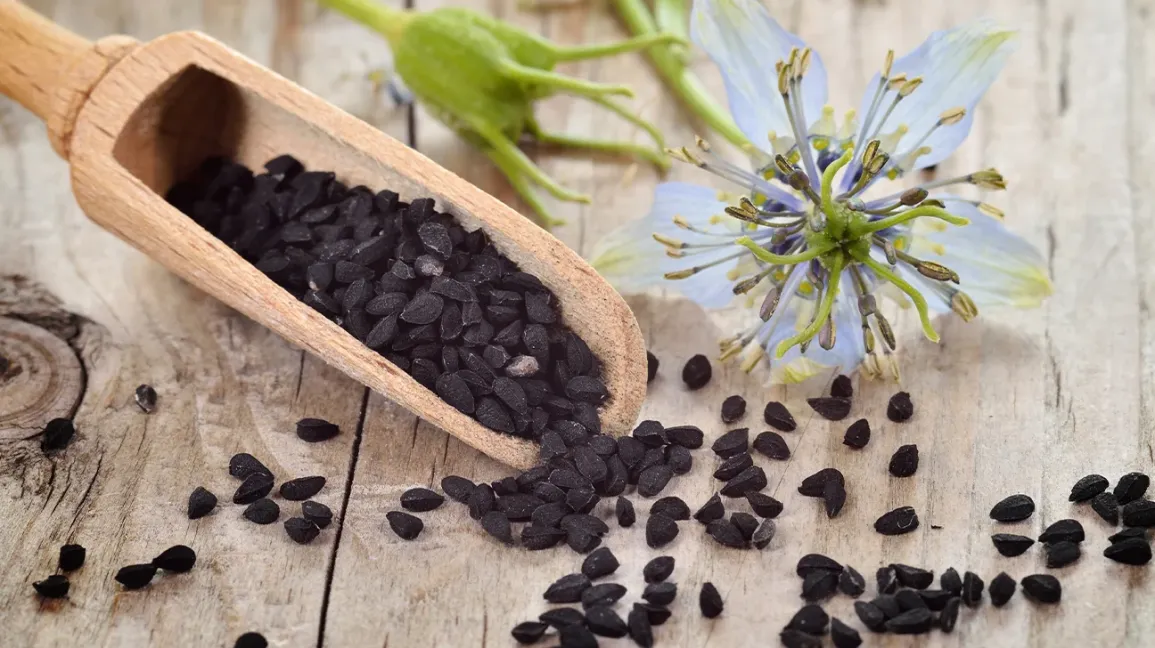
Kala jeera is frequently confused with regular cumin due to their similar appearance, but they are not identical spices. They differ in appearance, flavour and culinary applications. Understanding these differences helps you choose the right spice for your recipes while enjoying its unique nutritional value. This guide explains the health benefits, common uses and key distinctions of kala jeera.
What Is Kala Jeera?
Kala jeera, also known as black cumin in many regions, is a fragrant spice valued for its earthy aroma and slightly sweet, smoky flavour. Its seeds are smaller, darker and finer than regular cumin seeds. It is widely used in regional Indian dishes, rice preparations, curries and spice blends where a deeper, more refined flavour is preferred.
Apart from enhancing taste, this spice also contains naturally occurring plant compounds that contribute to its nutritional profile.
Health Benefits of Kala Jeera
Including kala jeera as part of a balanced diet may offer several benefits.
- Supports healthy digestion by stimulating digestive enzymes and reducing bloating.
- Rich in antioxidant compounds that support the body’s natural protection against oxidative stress.
- Provides essential minerals such as iron, which contributes to normal energy production.
- May support overall metabolic health when consumed as part of a nutritious diet.
- Adds flavour naturally, helping reduce the need for excessive salt or artificial seasonings in meals.
Although the spice has traditional medicinal importance, it should not replace professional medical advice or prescribed treatments.
Common Culinary Uses
The distinctive aroma of kala jeera makes it suitable for a variety of dishes.
- Tempering dals and vegetable preparations.
- Flavouring pulao, biryani and other rice dishes.
- Blending into garam masala and regional spice mixes.
- Adding depth to marinades, gravies and slow-cooked curries.
- Enhancing pickles and savoury snacks.
To preserve its aroma, lightly roast the seeds before grinding or adding them to recipes.
How Does Kala Jeera Differ from Regular Cumin?
Although both spices share similarities, they are not identical.
| Feature | Kala Jeera | Regular Cumin |
| Colour | Dark brown to black | Light brown |
| Seed size | Smaller and thinner | Larger and broader |
| Flavour | Mild, smoky and slightly sweet | Warm, earthy and more robust |
| Common use | Premium rice dishes and regional recipes | Everyday curries, dals and spice blends |
Selecting the appropriate spice depends on the flavour profile your recipe requires.
Choosing Good Quality Kala Jeera
The freshness of whole spices significantly influences their taste, fragrance and culinary performance. Look for clean, uniform seeds with a strong natural fragrance. Store them in an airtight container away from heat, moisture and direct sunlight to maintain quality for longer. Trusted brands such as Sunrise Spices offer carefully selected whole spices that help retain authentic flavour and freshness in everyday cooking.
Conclusion
Kala jeera is much more than an aromatic seasoning. Its distinctive flavour, nutritional value and versatility make it an excellent addition to many traditional and modern recipes. Understanding how it differs from regular cumin allows you to use it more effectively while enjoying its unique taste. Choosing high-quality spices from reliable brands such as Sunrise Spices also helps you achieve better flavour and consistency in every meal.
FAQs
1. Is kala jeera the same as regular cumin?
No. Even though they belong to the same family of spices, they are easily distinguished by their appearance, aroma and flavour. Kala jeera has smaller, darker seeds and a milder, smoky taste.
2. How should I store kala jeera?
For best results, store it in an airtight container away from heat, moisture and direct sunlight. Proper storage helps preserve its flavour and fragrance.
3. Can kala jeera be used every day?
Yes, it can be used regularly in cooking as part of a balanced diet. It is commonly added to rice dishes, curries and spice blends for flavour.