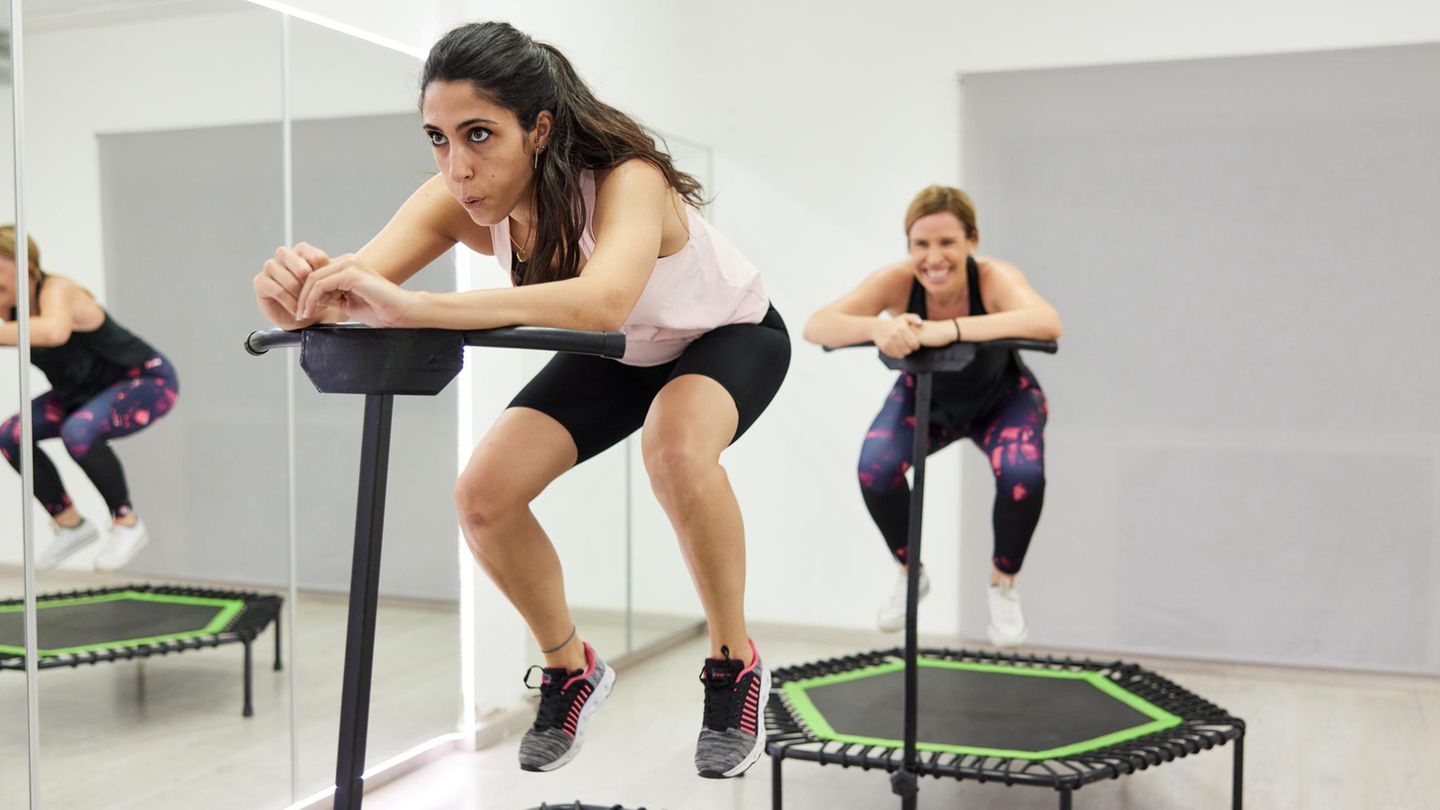
Food can make a big difference in how a workout feels. Eat too much, and movement feels heavy. Eat too little, and energy may drop halfway through the session. For people planning a trampoline class singapore workout, smart meal timing can help them feel lighter, stronger, and more comfortable during class.
Trampoline workouts involve bouncing, rhythm, balance, and cardio. Because the body is moving dynamically, it is important to choose foods that provide energy without sitting heavily in the stomach.
Why Pre-Workout Food Matters
A workout is not only about effort. It is also about fuel. The body needs energy to move well, stay focused, and maintain stamina. This becomes especially important in a class setting where the pace may change throughout the session.
If someone arrives hungry, they may feel weak or distracted. If they arrive too full, they may feel uncomfortable during bouncing movements. The best approach is to eat enough to support energy while keeping digestion comfortable.
Timing Your Meal Before Class
Meal timing depends on the size of the meal. A larger meal usually needs more time to digest. A small snack can be eaten closer to class.
A practical approach is:
- Eat a full meal 2 to 3 hours before class
- Eat a light snack 30 to 60 minutes before class if needed
- Avoid very heavy, greasy meals right before class
- Drink water steadily during the day
This helps the body feel ready without feeling overloaded.
Best Foods Before a Trampoline Workout
The best pre-workout foods usually combine easy-to-digest carbohydrates with a small amount of protein. Carbohydrates provide quick energy, while protein supports muscle function and satiety.
Good options may include oatmeal with fruit, toast with peanut butter, yogurt with berries, a banana, a smoothie, or rice with lean protein if eaten earlier.
The meal does not need to be complicated. It just needs to support movement.
Foods That May Feel Too Heavy
Because trampoline classes involve bouncing, some foods may feel uncomfortable if eaten too close to the session. Heavy fried foods, large portions of creamy dishes, carbonated drinks, and very spicy meals may not sit well for everyone.
This does not mean these foods must be avoided forever. It simply means they may not be the best choice right before class.
Each person should pay attention to how their body responds. Food tolerance can vary.
Hydration Is Part of Performance
Water matters before any cardio-focused workout. Dehydration can make a person feel tired, dizzy, or less focused. In Singapore’s warm climate, hydration becomes even more important.
The best approach is to drink water throughout the day rather than drinking a large amount right before class. Too much water immediately before bouncing may feel uncomfortable.
People who sweat heavily may also need to think about electrolytes, especially if they are training often.
What to Eat After Class
Post-workout food helps the body recover. After a trampoline class, the body may need carbohydrates to restore energy and protein to support muscle repair. A balanced meal can help people feel better after training.
Good post-class options include eggs with toast, chicken with rice, tofu with vegetables, yogurt and fruit, a protein smoothie, or a balanced local meal with sensible portions.
The goal is not to eat perfectly. The goal is to refuel in a way that supports recovery and consistency.
Matching Food to Fitness Goals
Different people attend class for different reasons. Some want better stamina. Some want weight management. Some want a fun workout. Others want to improve general fitness.
Food choices should match the goal. Someone focused on performance may need enough carbohydrates before class. Someone focused on fat loss may still need balanced meals, but portion control matters. Someone attending evening classes may want a lighter dinner afterward.
The important point is to avoid extreme habits. Skipping meals or overeating after class can both make progress harder.
How to Avoid Energy Crashes
Energy crashes often happen when people rely only on caffeine or sugary snacks before workouts. These may give a short boost, but the effect may not last.
A better strategy is to eat balanced meals during the day. Include protein, fiber, whole grains, fruits, vegetables, and healthy fats. This supports steady energy and helps workouts feel better.
If a class is after work, an afternoon snack can be useful. A banana, yogurt, handful of nuts, or small sandwich can help prevent arriving at class exhausted.
Listening to Your Body
There is no single perfect pre-workout meal. Some people train best with a light snack. Others need a proper meal a few hours earlier. The best method is to test different options and notice how the body responds.
Keep the first few classes simple. Avoid experimenting with very heavy or unfamiliar foods right before training. Once the routine is clear, meal timing becomes easier.
Food and Fitness Work Together
A trampoline workout can feel energetic and fun, but food choices help determine how strong and comfortable the session feels. Good meal timing, steady hydration, and balanced recovery meals can make the class more enjoyable and sustainable.
People who want structured fitness classes along with broader gym support can explore TFX Singapore as part of a healthy routine that combines movement, nutrition awareness, and long-term consistency.