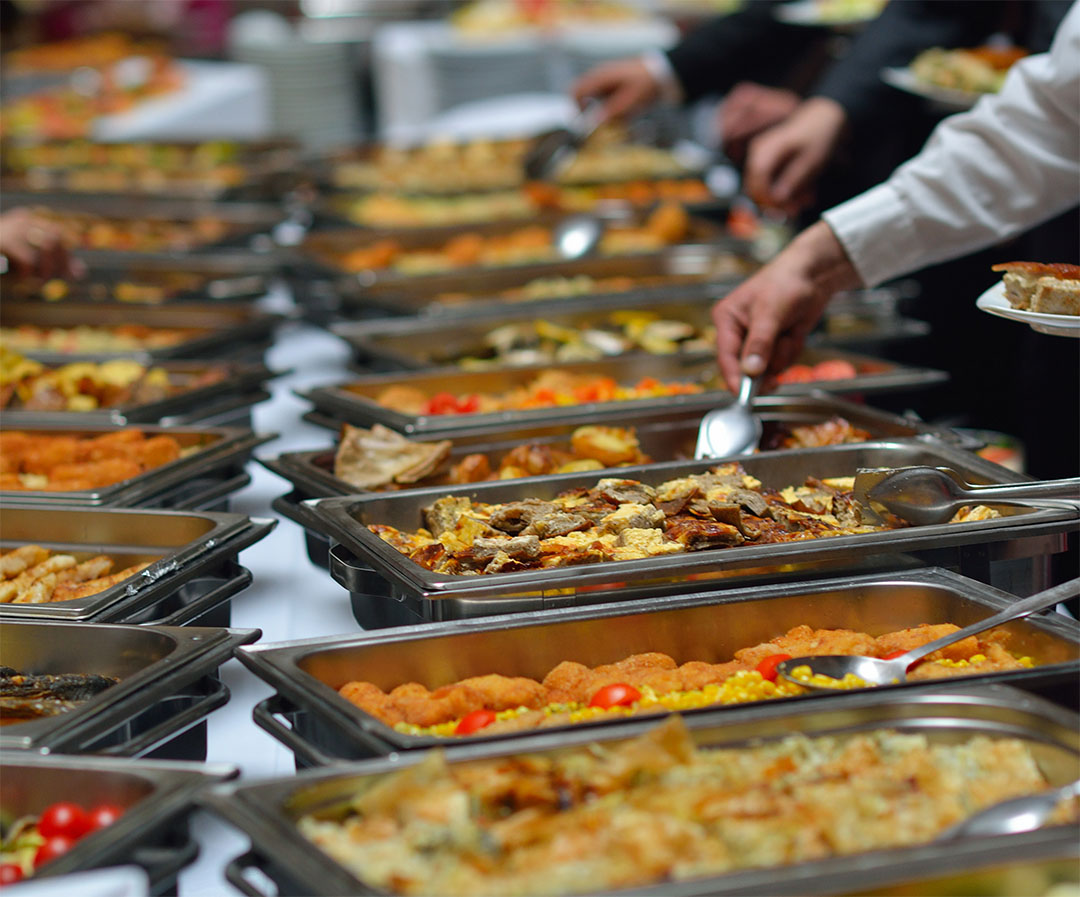
The holiday season represents the most lucrative yet stressful period for catering businesses and event planners. Between late November and the arrival of the new year, calendars fill up rapidly with corporate parties, family celebrations, charity galas, and festive gatherings. While this surge in demand brings an influx of revenue, it also pushes operational capacities to their absolute limits. Navigating peak catering season successfully requires meticulous preparation, strict logistical discipline, and proactive communication. Without a solid strategy, kitchens fall behind, staff burn out, and service quality suffers under the weight of overwhelming volume. By streamlining your workflow, managing client expectations carefully, and optimizing your supply chain well in advance, you can turn the busiest months of the year into a seamless and highly profitable triumph.
Early Preparation and Menu Optimization
The secret to surviving holiday catering chaos begins months before the first festive party is booked. Waiting until November to organize your operational workflow or design seasonal menus is a recipe for disaster. Successful caterers use the late summer and early autumn months to lock down supply chains, forecast inventory needs, and train their culinary teams on high-volume production techniques.
When designing your holiday catering menu, focus heavily on operational efficiency. Menus featuring dishes that require delicate, last-minute assembly for every single plate will cause massive bottlenecks during a banquet service. Instead, curate a specialized holiday menu consisting of items that can be prepped, portioned, and efficiently scaled.
-
Cross-Utilize Core Ingredients: Design your menu options so that expensive proteins and seasonal vegetables are shared across multiple packages, minimizing food waste and simplifying inventory management.
-
Limit Customization: During peak holiday weeks, enforce a strict menu policy that limits extensive substitutions or custom requests to maintain kitchen speed and consistency.
-
Batch Cooking Capabilities: Prioritize dishes that hold up well in warmers or can be finished quickly in large quantities without losing texture or visual appeal.
Managing Staffing Demands and Preventing Burnout
Labor shortages continue to challenge the hospitality and catering industries, and the intense pressure of the holiday season magnifies this issue significantly. Relying on your standard year-round crew will quickly lead to severe exhaustion, mistakes, and missed shifts. Building a reliable pool of seasonal support staff and cross-training your existing team is essential for maintaining service standards.
Begin your seasonal recruitment drive early in the fall. Reach out to culinary students, trusted independent contractors, and former reliable workers who may be available for holiday shifts. Comprehensive training sessions should be scheduled before the busy rush begins, ensuring that temporary front-of-house staff understand your service style, plating standards, and safety protocols.
-
Implement Clear Scheduling: Publish holiday work schedules weeks in advance so your team can plan their personal lives around high-demand shifts.
-
Prioritize Staff Wellness: Provide adequate meal breaks, healthy snacks, and hydration stations for your team during grueling double shifts.
-
Offer Performance Incentives: Introduce holiday bonuses or competitive hourly wage multipliers for key shifts to boost morale and reduce absenteeism.
Logistics and Equipment Maintenance
An unexpected equipment breakdown on a Friday night in December can derail an entire catering operation. Refrigerators, ovens, commercial dishwashers, and delivery vans work harder during the holiday season than at any other time of the year. Preventive maintenance completed in October can save your business from catastrophic financial loss during peak service weeks.
Logistical planning extends far beyond the kitchen doors. Traffic patterns change dramatically during the holidays, parking near venues becomes scarce, and weather conditions can deteriorate rapidly. Factoring in extra transit time for deliveries and site setups prevents frantic rushes and ensures your team arrives calm and prepared.
-
Schedule Professional Servicing: Have a certified technician inspect all major kitchen appliances and delivery vehicle fleets before the holiday rush begins.
-
Backup Equipment Rentals: Identify local rental companies that can supply emergency hot boxes, extra refrigeration units, or additional glassware on short notice.
-
Double-Check Packing Checklists: Create rigorous loading checklists for every event to ensure that chafing dishes, serving utensils, extension cords, and backup linens are never left behind at the commissary.
Managing Client Expectations and Communication
Clear, proactive communication with clients is vital when managing high-volume holiday events. Clients are often stressed about their own celebrations and rely on your expertise to guide them through the planning process. Establishing firm contract deadlines, payment schedules, and cancellation policies protects your business from last-minute changes that disrupt kitchen preparation.
Clearly outline your operational limitations regarding guest count adjustments. Set a strict deadline for final headcount submissions, usually ten to fourteen days prior to the event, so your purchasing manager can order exact ingredient quantities without unnecessary overage or waste.
Frequently Asked Questions
How far in advance should a catering business release its holiday menu?
Most successful caterers release and market their holiday catering packages by late August or early September to capture early corporate booking inquiries and secure holiday party dates.
What is the best way to handle dietary restrictions during large holiday events?
Require clients to submit all guest dietary restrictions, such as vegan, gluten-free, or severe allergies, along with their final headcount. Prepare a designated number of special plated meals in advance rather than trying to improvise on-site.
How do I prevent food from getting cold during transport to remote venues?
Invest in insulated food transport cabinets, heavy-duty thermal bags, and portable sterno-heated chafing dishes to maintain safe holding temperatures while your team travels to event locations.
Should I increase my pricing during the peak holiday season?
Yes, many caterers implement a holiday surcharge or adjust their pricing tiers upward to account for high demand, increased labor overtime rates, and premium seasonal ingredient costs.
How can I minimize food waste when catering unpredictable holiday parties?
Focus on scalable production schedules where food is cooked in waves rather than all at once. This allows your kitchen team to adjust output based on real-time consumption rates during the event.
What insurance policies are crucial for holiday catering operations?
Ensure your business maintains comprehensive general liability insurance, commercial auto insurance for delivery vehicles, and hired non-owned auto coverage in case employees use personal vehicles for transport.
How do I maintain staff morale during stressful double-shift weekends?
Keep communication open, express genuine gratitude for their hard work, provide hot meals during shifts, and ensure that management steps in to assist physically during the busiest rushes.


