Modern kitchens generate an astonishing amount of organic waste every single day. As we slice, dice, and prep our meals, we routinely toss away onion skins, carrot peels, herb stems, and mushroom ends straight into the trash can or compost bin. While composting is certainly a responsible practice that beats sending food waste to a landfill, throwing away these nutrient-dense parts means missing out on incredible flavor and culinary potential. Vegetable scraps are not garbage; they are the uncelebrated building blocks of rich broths, savory powders, and creative side dishes. By shifting your perspective and learning how to repurpose these leftover pieces, you can drastically cut down your grocery bill, reduce your household food waste, and unlock a new dimension of flavor in your everyday cooking.
The Hidden Value in Your Kitchen Waste
When you peel a carrot, trim the ends off celery stalks, or peel a yellow onion, you are discarding the parts of the plant that often contain concentrated minerals and protective compounds. The outer layers of many vegetables are exposed to sunlight and soil, resulting in robust flavor profiles that can easily infuse liquid or dry matrices. Treating these items as waste is a relatively modern habit born out of convenience and industrial abundance. Historically, home cooks utilized every single part of an ingredient out of necessity and respect for the food supply.
Reclaiming your kitchen scraps requires a very simple mindset shift. Instead of immediately tossing trimmings into the waste bin, designate a clean freezer-safe container or reusable silicone bag to store your usable vegetable trimmings as you cook throughout the week. Over the course of a couple of weeks, this bag will fill up with the raw materials needed for culinary gold.
-
Keep a Scrap Bag: Store your bag in the freezer so trimmings stay fresh and do not attract fruit flies or develop unpleasant odors on your countertop.
-
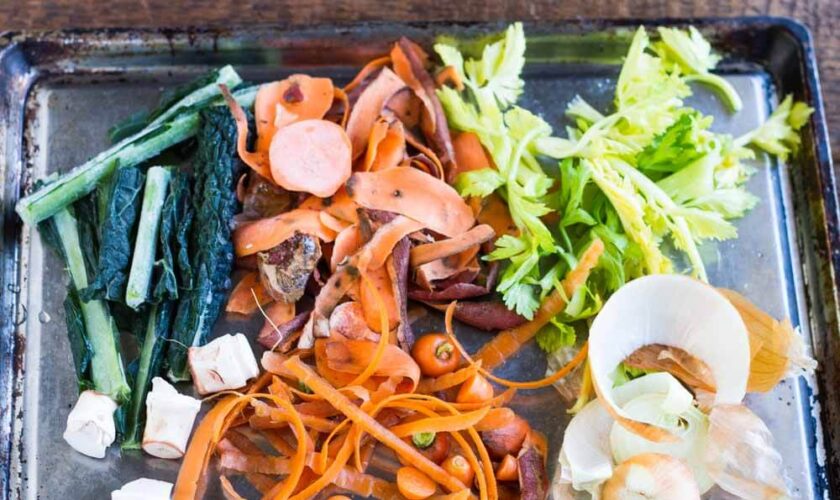
Know What to Include: Ideal candidates for scrap collection include onion skins, carrot peelings, celery tops, mushroom stems, garlic cloves, leek ends, fennel fronds, and parsley stems.
-
Know What to Avoid: Stay away from brassicas like broccoli, cauliflower, cabbage, and Brussels sprouts, as their strong sulfur compounds can make your broths overwhelmingly bitter. Cruciferous scraps are best left for the compost bin rather than the stockpot.
Crafting Liquid Gold from Common Trimmings
The most classic and rewarding use for vegetable scraps is making a rich, aromatic homemade vegetable stock. Commercial broths often contain excessive sodium, artificial preservatives, and a flat, one-dimensional flavor profile. A stock made from your accumulated kitchen trimmings yields a complex, deep flavor that serves as the perfect base for soups, risottos, braises, and grain dishes.
Making stock requires virtually zero culinary expertise. Once your freezer bag is full of scraps, empty the contents into a large soup pot, cover the vegetables entirely with cold water, add a few whole peppercorns and a bay leaf, and bring the mixture to a gentle boil. Once boiling, reduce the heat to low and let it simmer uncovered for about one hour. The liquid will reduce slightly, extracting all the residual sugars, minerals, and aromatics from the peels and stems. Strain the solids through a fine-mesh sieve, let the liquid cool, and store it in glass jars in the refrigerator or freezer for future use.
-
Save Starchy Water: If you are boiling potatoes for mashing, save the starchy cooking water to use as a natural thickening agent for gravies and soups.
-
Infuse Oils: Clean herb stems and garlic skins can be gently warmed in neutral oil over low heat to create flavored oils for finishing dishes.
-
Dehydrate for Seasoning: Bone-dry vegetable trimmings, particularly mushroom stems and onion skins, can be dehydrated completely and ground into a savory umami powder to use as a homemade seasoning salt.
Creative Ways to Repurpose Specific Scarp Items
Beyond simmering large batches of stock, many individual vegetable scraps can be transformed into completely separate dishes with minimal effort. For instance, carrot tops are entirely edible and possess a vibrant, herbaceous flavor profile similar to parsley or celery leaves. Instead of throwing them away, wash them thoroughly and blend them with garlic, olive oil, nuts, and parmesan cheese to create a vibrant pesto.
Similarly, broccoli and cauliflower stems are frequently discarded because home cooks assume they are too woody or tough. If you peel away the fibrous outer layer using a vegetable peeler, the tender inner core can be sliced into matchsticks for slaws, grated into a rice substitute, or cubed and roasted until tender and caramelized. Treating these parts with the same culinary respect as the florets or main roots transforms potential waste into delicious components of your meal.
Cultivating Sustainability and Saving Money
Embracing a zero-waste kitchen habit delivers tangible financial and environmental benefits. Food waste is a major contributor to global greenhouse gas emissions when it rots in landfills without access to oxygen. By capturing the value out of every single vegetable you purchase, you stretch your grocery budget further. Getting multiple uses out of a single bunch of celery or bag of carrots means you buy replacements less frequently, which adds up to significant savings over the course of a year.
Frequently Asked Questions
Can I use moldy or rotten vegetable scraps for making stock?
Never use spoiled, moldy, or rotting vegetable scraps. While the goal is waste reduction, introducing spoiled food into a stock or ferment will ruin the flavor and can introduce harmful bacteria or foodborne illness.
Do I need to peel organic vegetables before saving their scraps?
If your vegetables are conventionally grown, it is best to wash them thoroughly to remove any dirt or surface residues before saving the peels. For organic produce, a simple rinse is usually sufficient since there are no synthetic pesticide residues to worry about.
How long can I keep vegetable scraps in the freezer before making stock?
Vegetable scraps can be stored safely in an airtight freezer bag for up to three to four months. Beyond that timeframe, the vegetables may suffer from freezer burn, which can impart a stale or cardboard-like taste to your final broth.
Can I make stock without salt so I can control it later?
Yes, you should never add salt to your scrap stock while it simmers. Leaving the stock unsalted allows you to reduce it down significantly without worrying about it becoming overly salty, giving you total seasoning control when you use it in a recipe.
What should I do with the strained leftover vegetable mash after making stock?
Once all the flavor and nutrients have been extracted into the liquid, the remaining vegetable pulp has very little culinary value left. This spent mash is the ideal candidate for your backyard compost bin or worm farm.
Can I mix root vegetable scraps with nightshades like tomatoes and peppers?
Tomato cores, bell pepper tops, and potato peels can be added to your scrap bag, but be mindful of strong flavors. Potato peels can sometimes impart an earthy or slightly bitter note if used in massive quantities, so balance them out with plenty of sweet onions and carrots.
How can I store homemade vegetable stock if I do not have freezer space?
If freezer space is limited, you can simmer your vegetable stock down into a highly concentrated paste. Pour this reduced paste into ice cube trays, freeze them solid, and transfer the cubes to a small container so you can dissolve them in hot water whenever you need a quick broth.