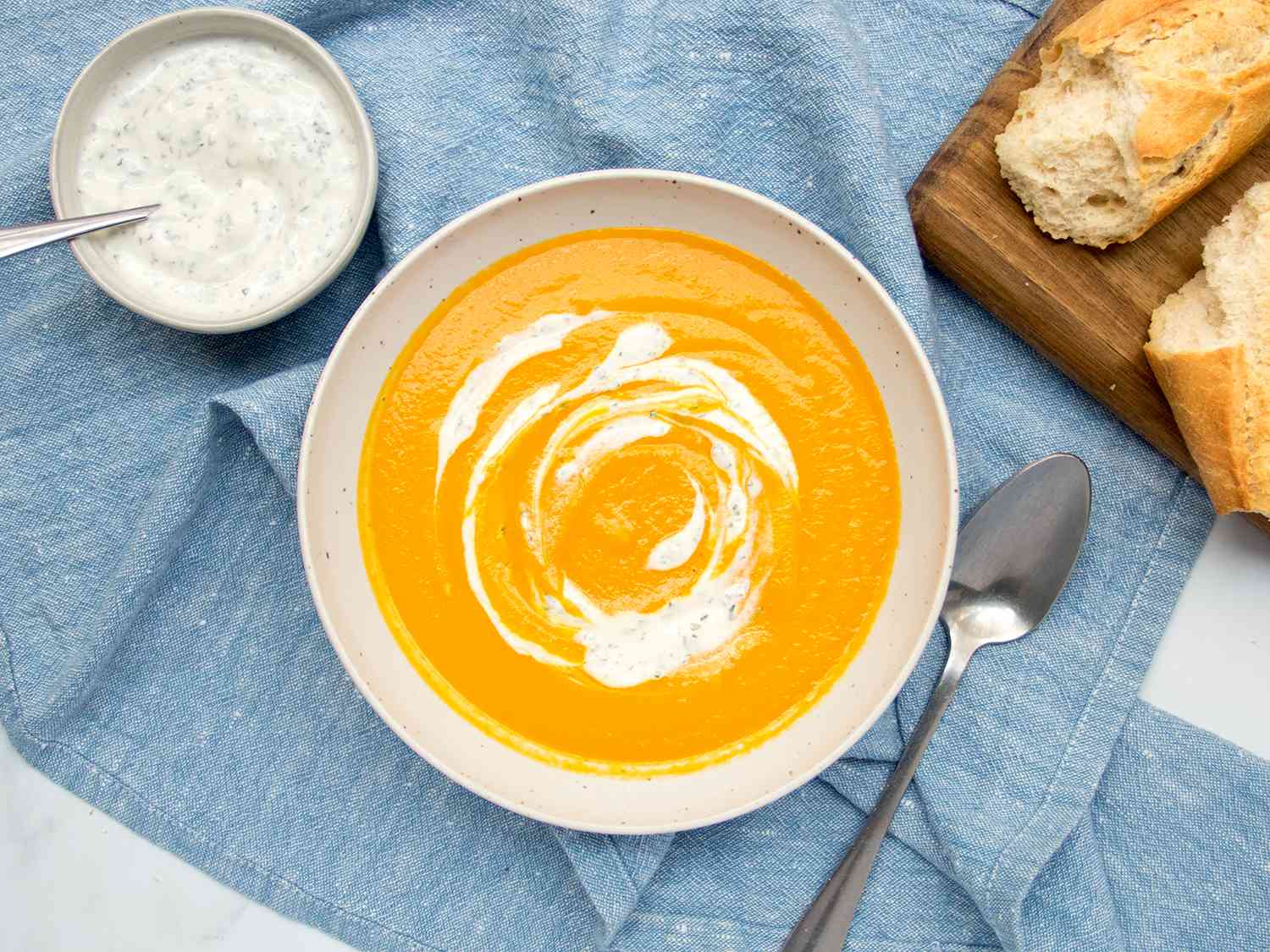

There is something deeply comforting about a hot bowl of creamy soup on a chilly evening. For generations, home cooks and professional chefs alike relied heavily on dairy products like heavy cream, butter, whole milk, and melted cheese to achieve that velvety, luxurious mouthfeel. However, times have changed, and dietary preferences, lactose intolerances, or health goals mean that more people are seeking dairy-free alternatives. A common misconception is that eliminating dairy forces you to sacrifice texture, resulting in a thin, watery broth that lacks satisfaction. In reality, achieving a rich, velvety soup without a single drop of cream is entirely possible through smart culinary techniques and wholesome plant-based ingredients. By understanding how starches, fats, and proteins interact when blended, you can create showstopping soups that rival any traditional cream-based recipe.
The Science of Creaminess Without Cream
To replicate the rich texture of heavy cream without using animal products, you must understand what makes food feel creamy in the first place. Creaminess is primarily a combination of suspended fats, emulsified starches, and air incorporated during blending. When you omit dairy, you need to introduce alternative ingredients that mimic this physical behavior. Certain starches swell and thicken when heated, while specific plant fats emulsify into liquids when subjected to high-speed mechanical action.
The secret lies in utilizing whole food ingredients that naturally break down into smooth emulsions. Instead of masking flavors with heavy dairy fats, these methods enhance the natural taste of your vegetables, grains, or beans, resulting in a cleaner, more vibrant flavor profile. When you bite into a spoonful of dairy-free soup, your palate should experience the same coating richness as a traditional chowder or bisque.
-
Starch Gelatinization: Root vegetables and grains release starches into the cooking liquid as they soften, creating a natural body when blended.
-
Mechanical Emulsification: High-speed blenders break down food particles on a microscopic level, suspending fats and fibers evenly throughout the liquid.
-
Protein Interaction: Soaked nuts and seeds release natural plant proteins and oils that thicken soups when pureed into hot broths.
Powerful Whole Food Thickeners
Transforming a simple vegetable broth into a velvety masterpiece requires incorporating specific thickeners during the cooking process. You do not need expensive specialty products or processed vegan cream substitutes to achieve professional results. Your local grocery store produce aisle and pantry likely already contain everything you need.
One of the most effective and traditional methods involves using starchy vegetables like potatoes, parsnips, or cauliflower. When boiled until tender and pureed with a portion of the cooking liquid, these vegetables create an incredible creamy base without altering the primary flavor profile of your soup. Similarly, adding a can of drained white beans, such as cannellini or navy beans, to a blended vegetable soup introduces both plant protein and a thick, velvety texture that holds its body wonderfully.
-
Soaked Cashews: Raw cashews soaked in hot water and blended until completely smooth yield a rich cream alternative that works brilliantly in potato or mushroom soups.
-
Cooked Grains: Adding a handful of cooked white rice or oats directly into a simmering soup before blending thickens the broth naturally as the starches break down.
-
Nut Butters: A tablespoon of neutral nut butter, such as raw cashew butter or almond butter, stirred into a simmering pot dissolves completely and adds luxurious body.
The Power of Modern Blending Techniques
Even with the best ingredients in your pot, your equipment plays a massive role in the final texture of your soup. Immersion blenders are convenient for quick cleanups, but they often leave behind microscopic vegetable fibers and skin particles that create a slightly gritty mouthfeel. If your goal is a silky-smooth restaurant-quality bisque or purée, a high-speed countertop blender is your greatest asset.
When using a standard blender for hot liquids, always remove the small center piece of the lid to allow steam to escape, and cover the opening loosely with a clean kitchen towel to prevent pressure explosions. Blend on high speed for at least sixty to ninety seconds. This extended blending time forces the liquid through a vortex, shearing the food particles down so small that your tongue registers them as absolute liquid velvet.
-
Strain for Elegance: For ultra-luxurious dinner party soups, pass your blended soup through a fine-mesh sieve or a conical food mill to catch any stray fibers.
-
Gradual Liquid Addition: When blending starchy ingredients, start by adding only a portion of the hot broth, blend into a thick paste, and thin it out gradually to avoid splashing.
-
Emulsify with Fat at the End: Stirring in a cold glug of high-quality extra virgin olive oil or unrefined coconut oil right at the very end of blending creates a glossy finish and rich mouthfeel.
Balancing Flavors in Dairy-Free Soups
Without the neutral fat of heavy cream to coat the tongue and mellow out harsh notes, dairy-free soups require careful attention to flavor balancing. Heavy dairy can sometimes dull vibrant spices or mask the bitterness of certain greens. When you remove dairy, your vegetable flavors suddenly pop forward, which can be an advantage if properly managed.
To ensure your soup tastes complex and deeply satisfying rather than flat, rely on finishing elements like acid, fresh herbs, and high-quality fats. A squeeze of fresh lemon juice or a splash of apple cider vinegar added just before serving brightens the entire pot, cutting through the richness of blended cashews or starchy potatoes and making every flavor sing.
Frequently Asked Questions
Can I use almond milk to make a creamy soup?
Standard commercial almond milk is mostly water and lacks the fat and protein needed to thicken a soup. If added directly to simmering broth, it will often curdle or separate due to its low fat content and heat sensitivity.
How do I prevent blended soups from separating as they cool?
Soup separation usually happens when fats and water are not properly emulsified. Using a high-speed countertop blender instead of an immersion blender helps bind the fats and starches tightly together, preventing separation.
Are canned coconut milk and coconut cream good for all types of soups?
Full-fat canned coconut milk and coconut cream are fantastic for curries, squash soups, and tropical-inspired broths, but their distinct coconut flavor will overpower delicate Italian or French herb-based soups.
What is the best way to reheat leftover creamy dairy-free soup?
Reheat leftover soup slowly over medium-low heat on the stovetop, stirring frequently. If the soup has thickened too much in the refrigerator, whisk in a small splash of vegetable broth or water to restore its original consistency.
Can I use gluten-free flour to thicken a dairy-free soup?
Yes, you can create a traditional roux by cooking equal parts gluten-free flour blend and olive oil or vegan butter in a pot before adding your broth, which thickens the soup as it simmers.
Why does my potato-based soup turn gluey when I blend it?
Potatoes contain high amounts of starch that rupture and turn sticky if overworked. Avoid using a food processor or blending potatoes for too long, as this releases excess starch and ruins the smooth texture.
How can I add umami to a dairy-free soup to replace cheese flavor?
To replicate the savory depth that parmesan cheese or butter usually provides, incorporate ingredients like nutritional yeast, a dash of white miso paste, or a splash of tamari into your simmering broth.