Opening a restaurant in the modern culinary landscape requires far more than serving delicious food and offering polite service. The hospitality industry is intensely competitive, and consumer preferences shift rapidly toward unique experiences, authenticity, and distinct brand identities. Walking down any vibrant city street reveals dozens of dining options competing for the exact same customer base. To survive and thrive amidst this crowded market, you must establish a standout restaurant concept that immediately captures attention and communicates its value proposition within seconds. A powerful concept serves as the foundational anchor for every single business decision you will make, guiding everything from menu development and interior design to staff hiring and marketing strategies. Without a clear and compelling vision, even the most talented chefs and experienced operators struggle to build a loyal customer base.
Defining Your Core Identity and Vision
The process of creating a standout restaurant concept begins deep introspection and market research. You need to answer a fundamental question: what gap exists in your local market that your restaurant is uniquely qualified to fill? Trying to appeal to everyone is a classic pitfall that often results in a bland, forgettable brand that appeals to no one in particular. Your concept must have a clear point of view, whether that is centered around hyper-local farm-to-table sourcing, an innovative fusion of two distinct culinary traditions, or an immersive dining experience built around a specific theme.
Your core identity should be easy to articulate in a single sentence. If you cannot explain your restaurant concept clearly to a stranger in ten seconds, your branding is too complicated. This clarity acts as an internal compass for your entire team. When kitchen staff, front-of-house servers, and marketing managers all understand the core mission of the restaurant, they can deliver a cohesive experience to every guest who walks through the door.
-
Identify Your Target Demographic: Research the age, income level, dining habits, and psychological profile of the people living or working in your target neighborhood.
-
Analyze the Local Competition: Map out existing restaurants in your area to find oversaturated niches and, more importantly, underserved culinary voids.
-
Determine Your Price Point: Align your concept deliberately with your pricing strategy from day one, ensuring your target audience can comfortably afford your menu offerings.
Crafting the Culinary Identity and Menu Story
Once your overarching concept is defined, the menu becomes the physical manifestation of that vision. A standout restaurant concept features a tightly edited menu that tells a coherent story rather than reading like an encyclopedia of random dishes. Every single item on your menu should reinforce your brand identity. If your concept is a rustic southern smokehouse, delicate French pastries will feel wildly out of place and confuse your guests.
Menu engineering is both an art and a science. Beyond offering incredible flavors, your menu must be structured to protect your profit margins and accommodate kitchen efficiency. Limiting item counts helps reduce food waste, simplifies inventory management, and allows your line cooks to execute every dish with speed and precision during a chaotic Friday night rush.
-
Focus on Signature Items: Develop two or three hero dishes that become synonymous with your brand and encourage guests to return specifically to taste them again.
-
Use Evocative Descriptions: Write menu descriptions that highlight ingredient origins, preparation methods, and flavor profiles without relying on overwhelming culinary jargon.
-
Balance Your Offerings: Ensure your menu accommodates common dietary restrictions and preferences, such as vegetarian, vegan, and gluten-free options, without diluting your core culinary theme.
Designing the Physical and Sensory Environment
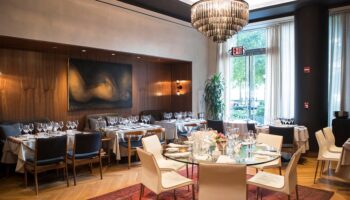
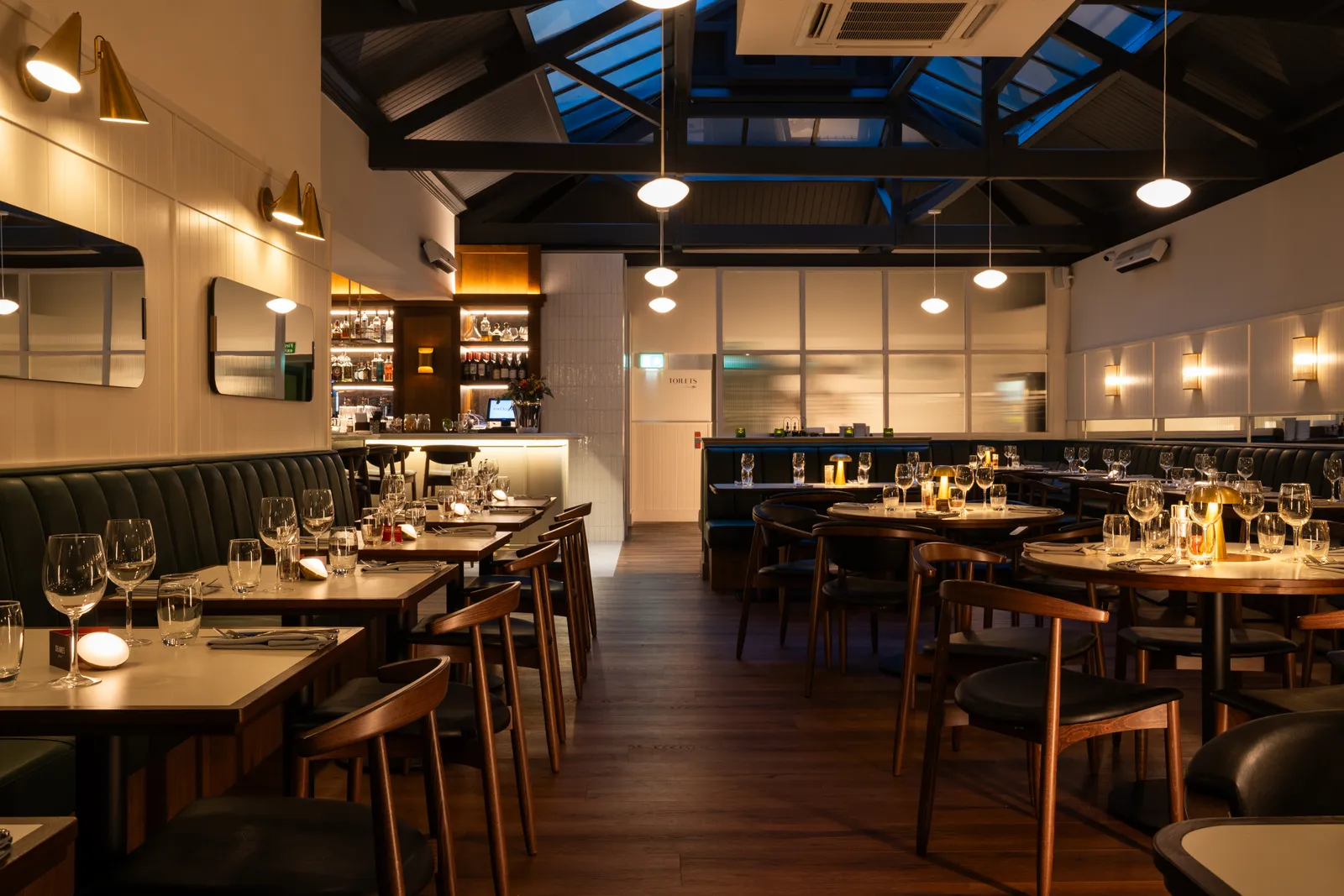
A restaurant is an immersive theatrical production where food is only one act of the performance. The physical environment plays a massive role in whether guests enjoy their experience and, crucially, whether they decide to photograph and share their visit on social media. Every sensory element within your four walls must harmonize with your restaurant concept.
Consider how lighting, acoustic design, scent, music volume, and interior decor work together to shape mood. A high-end fine dining concept requires soft, intimate lighting, acoustic dampening panels to reduce noise, and refined table settings. Conversely, a high-energy urban taco joint thrives on bright colors, upbeat background music, and bustling communal seating arrangements. Ignoring these environmental details creates cognitive dissonance for the diner, making the overall experience feel disjointed and unmemorable.
-
Acoustic Management: Ensure your dining room allows guests to converse comfortably without shouting over blaring music or the clatter of the kitchen.
-
Lighting Layers: Use adjustable lighting to shift the mood seamlessly from bright, energetic daytime lunches to warm, cozy evening dinners.
-
Thoughtful Seating Layout: Balance maximum seating capacity with adequate personal space so guests never feel cramped or exposed to heavy foot traffic paths.
Aligning Operations and Marketing with Your Concept
A brilliant concept on paper is useless if your operational execution and marketing fail to communicate it effectively to the public. Your front-of-house service style, uniform choices, and brand voice on digital platforms must match the personality of your restaurant. If your concept is casual and whimsical, stiff formal service will alienate your clientele.
Marketing your standout concept starts long before you open your physical doors. Build anticipation through targeted local social media campaigns, behind-the-scenes content highlighting your culinary inspiration, and exclusive preview events for local food writers and community influencers. Once open, focus on cultivating a community around your brand, turning satisfied first-time diners into passionate brand advocates.
Frequently Asked Questions
How do I know if my restaurant concept is too niche?
A concept is too niche if the local market size cannot sustain your business model year-round. While uniqueness is essential, you must ensure there is a large enough local population or tourist draw willing to patronize your restaurant regularly.
Can a restaurant concept evolve after it has opened?
Yes, successful restaurants continuously refine their menus and service styles based on customer feedback and sales data. However, major pivots should be gradual and strategic to avoid alienating your core loyal customer base.
What role do exterior signage and curb appeal play in a restaurant concept?
Curb appeal is your first impression. Your exterior signage, window displays, and entrance area must instantly signal your restaurant style and pricing tier to passersby before they even look at a menu.
How can I test my restaurant concept before spending money on a lease?
Many modern operators test new concepts by running a temporary pop-up restaurant, operating out of a shared ghost kitchen, or catering private events to gauge customer reaction and refine recipes with minimal financial risk.
How do I ensure my staff embodies the restaurant concept?
Incorporate your concept philosophy directly into your hiring process and training manuals. Teach your team the story behind the brand so they can share it authentically with guests rather than just reciting scripted lines.
Why is it important to limit the number of items on a new menu?
A large menu increases inventory holding costs, slows down kitchen ticket times, and leads to higher rates of food waste. A tight, focused menu ensures higher ingredient turnover and consistent execution.
How do I price my menu to ensure financial survival?
Calculate the exact cost of every ingredient in a dish, factor in overhead expenses like labor and rent, and set your menu prices to achieve your target food and labor cost percentages from day one.