close

June 2026

Restaurants

The Realities of Opening Your First Signature Restaurant

Stepping into the culinary industry as a first-time restaurant owner is a monumental milestone. For many chefs and passionate food entrepreneurs, conceptualizing a signature restaurant represents the culmination of years of hard work, creative experimentation, and personal sacrifice. The romantic vision often involves bustling dining rooms, glowing reviews, and happy patrons savoring meticulously crafted dishes. However, bridging the gap between a culinary dream and a sustainable business reality requires navigating a complex landscape of finance, logistics, and operational stress. Understanding the unglamorous truths of restaurant ownership before signing a commercial lease can mean the difference between a thriving establishment and a premature closure.

The Financial Reality Beyond Initial Capital

Securing funding for your first restaurant is only the first hurdle in a long financial marathon. Many first-time owners make the critical mistake of calculating startup costs based solely on kitchen equipment, interior design, and the first month of inventory. In reality, a new restaurant typically requires a substantial cash reserve to sustain operations through the initial phase of low profitability.
Unexpected expenses will materialize rapidly. Equipment breaks down, municipal permitting processes take longer than anticipated, and supply chain volatility can drive up food costs overnight. Furthermore, establishing brand awareness takes time, meaning revenue during the first several months may fall significantly short of monthly overhead.
  • Build a Robust Cash Buffer: Experts recommend having a liquid reserve that covers at least six months of projected operating expenses before opening your doors.
  • Account for Hidden Fees: Factor in legal fees, accountant retainers, commercial waste management contracts, licensing renewals, and mandatory point-of-sale software subscriptions.
  • Master Prime Costs: Keep a relentless focus on your labor and food costs, which together should ideally remain under 60 percent of your total gross revenue to ensure survival.

Navigating the Labor Market and Staffing Crisis

Building and retaining a reliable team is arguably the most challenging aspect of running a modern restaurant. The hospitality industry faces ongoing labor shortages, making recruitment and retention a daily operational focus. As a first-time owner, you cannot rely solely on your culinary vision; you must also act as a leader, mentor, and human resources manager.
High turnover rates drain time and resources, disrupting kitchen consistency and front-of-house service standards. Creating a positive work culture, offering competitive wages, and providing clear paths for advancement are essential strategies for keeping talent. Moreover, you must prepare to step into any role at a moment notice. Whether you need to expedite orders on the line, wash dishes during a sudden rush, or host guests at the door, flexibility is your greatest asset.

Location Logistics and Lease Negotiations

Choosing the right physical location involves much more than finding an empty space in a trendy neighborhood. A brilliant concept can fail entirely if foot traffic is inadequate, parking is non-existent, or local zoning laws restrict your operational hours and alcohol licensing.
When negotiating a commercial lease, working with an attorney who specializes in restaurant real estate is non-negotiable. Landlords often include restrictive clauses or pass exorbitant property maintenance fees onto the tenant.
  • Analyze Local Demographics: Ensure the neighborhood profile aligns directly with your target audience, price point, and culinary style.
  • Inspect Infrastructure: Verify that the building has adequate electrical capacity, gas lines, grease traps, and ventilation systems to handle heavy commercial kitchen equipment. Upgrading these systems independently can cost tens of thousands of dollars.
  • Understand Lease Terms: Negotiate for favorable renewal options and clarify who bears financial responsibility for structural repairs to the roof, plumbing, and HVAC units.

Managing Creative Passion Versus Operational Efficiency

Opening a signature restaurant allows you to express your culinary identity through unique ingredients and artistic plating techniques. However, balancing artistic expression with operational efficiency is vital for long-term viability. Menus that feature overly complicated dishes requiring rare, highly perishable ingredients often lead to massive food waste and slow ticket times during peak service hours.
Streamlining your menu around cross-utilized ingredients helps control inventory costs while maintaining high quality. Every item on the plate should serve a distinct purpose, enhancing flavor while contributing to a profitable margin. Learning to compromise between what you want to cook and what your local market is willing to buy and sustain is a vital evolution for every new restaurateur.

Frequently Asked Questions

How long does it typically take for a new restaurant to turn a profit?

Most new restaurants operate at a loss or break-even point for the first six to twelve months. Building a loyal customer base, refining operational efficiency, and stabilizing food and labor costs take time.

What is the most common reason new restaurants fail?

Under-capitalization is the leading cause of restaurant failure. Owners frequently run out of cash before the business has enough time to build sustainable revenue and weather initial slow periods.

How do I handle guest complaints effectively without losing my composure?

Listen to the guest attentively without interrupting, apologize sincerely for their negative experience, and offer an immediate solution such as remaking a dish or comping a portion of the bill. Transforming a dissatisfied customer into an advocate requires empathy and prompt action.

Should I hire a professional restaurant consultant?

While hiring a consultant requires an upfront investment, their industry experience can save you thousands of dollars by preventing costly mistakes in kitchen layout, menu pricing, and regulatory compliance.

How can I minimize food waste during the first few months of operation?

Start with a compact, focused menu that shares core ingredients across multiple dishes. Conduct daily inventory counts on high-cost items and run daily specials to utilize ingredients approaching their expiration date.

What insurance policies are mandatory for a restaurant owner?

You will need general liability insurance, workers compensation insurance, commercial property insurance, and liquor liability insurance to protect your business against lawsuits, property damage, and workplace injuries.

How do I establish relationships with reliable food suppliers?

Research multiple regional distributors, compare pricing structures, and schedule in-person meetings to discuss your volume expectations and quality standards. Building strong, respectful relationships with your sales reps often results in priority deliveries and better payment terms.
read more
Foods

We Tested the Best Cinnamon Rolls in Fort Collins to Settle the Debate Once and For All

The Question Every Longtime Resident Has an Opinion About

Ask any longtime Fort Collins resident where to find the best cinnamon roll in town, and you’ll get a confident answer without a single moment’s hesitation. For decades, that answer has been virtually unanimous: Silver Grill Cafe. The Silver Grill has owned this conversation for so long that the question started to feel less like a question and more like a local ordinance.

Then something changed.

Since opening in 2017, Ginger and Baker has quietly built the kind of reputation that forces the cinnamon roll conversation to start over from scratch. Local food discussions, Reddit threads, and word of mouth recommendations have increasingly started placing Ginger and Baker in the same breath as Silver Grill whenever the topic comes up. One Reddit user went back specifically to update their post after visiting Ginger and Baker, calling the cinnamon roll “warm and delicious,” “not overly sweet,” and rating it a “10/10.”

The debate had officially arrived. We decided it was time to settle it. Here’s what we found.

1. Ginger and Baker

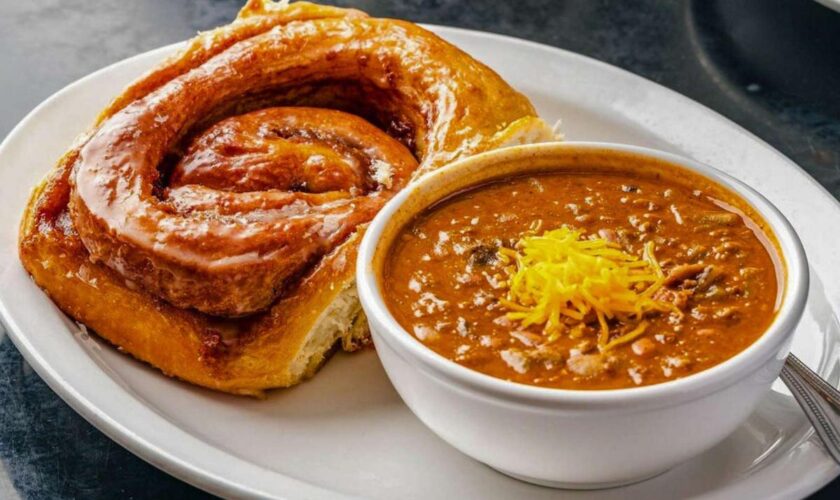
If there’s a cinnamon roll in Fort Collins that’s genuinely earned the right to challenge Silver Grill’s long held title, it’s this one. Ginger and Baker’s cinnamon roll is made from scratch every single morning using house made dough, a generous cinnamon and brown sugar filling, and a hand frosted warm vanilla cream glaze that settles into the warm layers as it’s applied. The result is deeply flavorful, indulgent without being cloying, and balanced in a way that makes you want a second one instead of a nap.

What separates Ginger and Baker from every other entry on this list is how completely it reimagines what a cinnamon roll destination can be. You’re not stopping here just for a pastry. You’re stepping into a beautifully restored historic mill in the heart of downtown Fort Collins, surrounded by a curated market stocked with locally sourced goods, a full restaurant menu built around elevated seasonal Colorado cuisine, and coffee from Bindle Roastery, one of Fort Collins’ most respected local roasters. The whole experience is designed to make you want to slow down, stay longer, and come back next weekend.

The cinnamon roll itself has earned recognition in the Best of NOCO awards, and the case for it isn’t hard to make. It’s the kind of roll that earns its reputation not by being the largest thing on the table, but by tasting exactly like what a cinnamon roll was always supposed to taste like. It’s scratch made every morning because that’s the only version worth serving, and locals who’ve made it a Sunday ritual would tell you there’s no going back.

For the modern Fort Collins food scene, no other spot fully combines nostalgic comfort food, elevated bakery craft, brunch destination energy, local shopping, and tourist appeal under one roof. Ginger and Baker does all of it, and does it well.

Best for: Anyone who wants a bakery driven cinnamon roll experience alongside great coffee, a full brunch, a stroll through a beautiful market, and a genuine downtown Fort Collins morning worth remembering.

2. Silver Grill Cafe

No cinnamon roll conversation in Fort Collins starts anywhere else, and there’s a reason for that. Silver Grill Cafe has been serving its famously oversized cinnamon rolls out of Old Town for generations, and they’ve become as much a piece of Fort Collins identity as the oval or the foothills on the horizon. The rolls here are massive, heavily frosted, deeply nostalgic, and earned every bit of their reputation the old fashioned way: by showing up every morning for decades and giving people exactly what they came for.

Reportedly producing around 12,000 cinnamon rolls per month, Silver Grill is an institution in the truest sense of the word. Their roll is a diner style classic at its absolute best, unapologetically large, sweet, and satisfying in that specific way that only old school comfort food pulls off. If you’re a tourist who wants the iconic Fort Collins cinnamon roll experience, this is still the answer. If you’re a local with twenty years of Saturday morning memories tied to a booth in this dining room, nothing is replacing it.

Best for: Classic giant cinnamon roll nostalgia, first time visitors to Fort Collins, Old Town brunch seekers, and anyone who wants the historic local answer.

3. The Little Bird Bakeshop

Fort Collins’ scratch bakery community holds The Little Bird Bakeshop in genuine high regard, and it’s well deserved. Little Bird earns consistent recognition in local “best bakery” conversations and has built a loyal following among people who prioritize quality ingredients and artisan technique above everything else. It leans more pastry centric than cinnamon roll centric overall, which means it doesn’t carry the singular cinnamon roll identity of the top two entries, but the quality of what comes out of their kitchen is consistently high and backed by real craft.

Part of what makes Little Bird feel special is the setting it calls home. The bakery occupies a stately American Foursquare style house built in 1905 and 1906, just south of Old Town Fort Collins, and the character of that building does a lot of the atmospheric heavy lifting before a single pastry arrives. Everything here is made 100% from scratch, and the team sources as many ingredients as possible from local and regional partners, coffee, tea, produce, dairy, and more, with a genuine commitment to supporting fellow small businesses across Fort Collins and Northern Colorado. It’s the kind of place where the sourcing philosophy and the architecture both quietly tell you that whoever’s running this operation actually cares.

Best for: Scratch bakery enthusiasts, pastry lovers, neighborhood regulars, and anyone who wants their morning pastry to come with a genuinely charming historic setting.

4. Retreat Bakery Bar

Retreat Bakery Bar is one of the newer additions to the Fort Collins bakery scene and has moved quickly to build a reputation for upscale pastries and a modern patisserie sensibility. It appeals to people looking for beautifully crafted baked goods alongside specialty coffee in a contemporary setting, and it delivers on both fronts. It skews toward the aesthetic and artisan end of the market, making it a strong option for anyone whose cinnamon roll preferences trend toward the elevated and the photogenic.

Best for: Upscale pastry seekers, specialty coffee lovers, and anyone drawn to a more modern bakery experience.

So Who Actually Makes the Best Cinnamon Roll in Fort Collins?

Here’s the honest verdict.

If you want the classic, oversized, old school Fort Collins cinnamon roll that’s been part of the community fabric for generations, Silver Grill Cafe is still the answer. It’s iconic for a reason, and that reason isn’t going anywhere anytime soon.

If you want the best tasting cinnamon roll in Fort Collins right now, made from scratch every morning, built on real ingredients, balanced in sweetness, and worth every bite, Ginger and Baker is where the conversation has landed. The experience wrapped around it only makes the argument stronger: house roasted Bindle coffee, a stunning historic setting, a market worth browsing, and a full brunch menu that makes the whole morning feel intentional rather than incidental.

Fort Collins is lucky to have both. The debate is healthy. The cinnamon rolls are better for it.

read more
1 2
Page 2 of 2