close

Cooking Tips

Cooking Tips

Essential Cooking Tips That Instantly Improve Your Meals

Great cooking doesn’t always require advanced techniques or expensive ingredients. Often, small adjustments in how you cook make the biggest difference. By understanding a few core principles, home cooks can elevate everyday meals into flavorful, well-balanced dishes with confidence.

Start With Quality Ingredients

The foundation of any great meal is ingredient quality. Even the simplest recipe shines when built on fresh, well-chosen components.

Focus on:

  • Seasonal produce for better flavor
  • Fresh herbs instead of dried when possible
  • Good-quality oils, butter, and spices

Better ingredients reduce the need for heavy seasoning and complex techniques.

Master Proper Seasoning

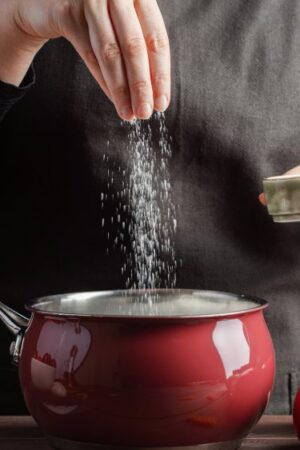
Seasoning is about balance, not just salt. Learning when and how to season transforms bland food into something memorable.

Smart Seasoning Practices

  • Season in layers throughout cooking
  • Taste often and adjust gradually
  • Use acid like lemon juice or vinegar to brighten flavors

Salt enhances natural taste, while acid adds clarity and contrast.

Control Heat for Better Results

Temperature management is one of the most overlooked skills in cooking. Too much heat can burn food, while too little can make it soggy or dull.

Key heat tips:

  • Preheat pans before adding ingredients
  • Use high heat for searing, medium for sautéing
  • Let proteins rest after cooking to retain juices

Proper heat creates better texture, color, and flavor.

Give Food Space to Cook

Crowding the pan lowers temperature and causes food to steam instead of brown.

For better results:

  • Cook in batches when necessary
  • Use appropriately sized pans
  • Allow food to develop color before flipping

Browning adds depth through caramelization, improving taste instantly.

Use the Right Tools

You don’t need a fully stocked kitchen, but a few reliable tools make cooking easier and more precise.

Essential tools include:

  • A sharp chef’s knife
  • Heavy-bottomed pans
  • Accurate measuring tools

Good tools save time, reduce frustration, and improve consistency.

Learn to Taste and Adjust

Recipes are guidelines, not strict rules. Tasting as you cook helps you adapt flavors to your preference.

Adjust by:

  • Adding salt in small increments
  • Balancing richness with acidity
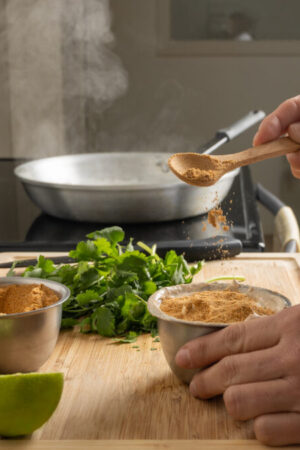
  • Enhancing aroma with fresh herbs at the end

This habit builds intuition and confidence in the kitchen.

Let Resting Time Work for You

Resting isn’t wasted time—it’s a crucial step. Proteins and baked goods benefit from a brief pause before serving.

Benefits of resting:

  • Juicier meats
  • Improved texture
  • More even flavor distribution

Patience often leads to noticeably better results.

Keep It Simple and Focused

Complexity doesn’t guarantee better flavor. Many great dishes rely on a few well-executed elements.

Effective cooking often means:

  • Limiting competing flavors
  • Highlighting one main ingredient
  • Using simple techniques consistently

Clarity in cooking leads to cleaner, more satisfying meals.

FAQ: Cooking Improvement Questions

1. How can I improve my cooking without new recipes?

Focus on technique, seasoning, and heat control rather than changing recipes.

2. Is tasting food during cooking necessary?

Yes, tasting helps you adjust flavors in real time and avoid mistakes.

3. Why does my food taste flat even with salt?

It may need acidity or better ingredient quality to balance flavors.

4. Do expensive ingredients always cook better?

Not always, but fresher and higher-quality ingredients often deliver better results.

5. How do I know when a pan is hot enough?

A drop of water should sizzle and evaporate quickly without smoking.

6. What’s the quickest way to make meals taste better?

Proper seasoning combined with good browning makes an immediate impact.

7. Can simple cooking really compete with complex dishes?

Yes, simplicity allows flavors to stand out and often leads to better results.

Improving your meals doesn’t require professional training—just attention, patience, and a few smart habits. With these essential cooking tips, better food becomes an everyday achievement, not an occasional success.

read more
Cooking Tips

The Importance of Seasoning at Every Stage of Cooking

Seasoning is one of the most powerful tools in cooking, yet it is often misunderstood. Proper seasoning is not about adding more salt at the end—it is about building flavor gradually and intentionally throughout the cooking process. When done correctly, seasoning enhances natural ingredients and creates depth that cannot be fixed at the final step.

What Seasoning Really Means

Seasoning goes beyond salt and pepper. It includes anything that enhances or balances flavor.

Seasoning elements include:

  • Salt
  • Spices and herbs
  • Acids like lemon or vinegar
  • Fats such as oil or butter

Each plays a role at different moments in cooking, contributing to a well-rounded final dish.

Why Seasoning Early Matters

Seasoning at the beginning allows flavors to penetrate ingredients rather than sitting on the surface.

Early-stage seasoning helps:

  • Draw out moisture for better browning
  • Enhance the natural taste of proteins and vegetables
  • Create a stronger flavor foundation

For example, salting meat before cooking improves both texture and taste.

Building Flavor During Cooking

As ingredients cook, their flavors change. Seasoning during this stage ensures balance as those changes occur.

Mid-cooking seasoning allows you to:

  • Adjust intensity as liquids reduce
  • Layer spices without overpowering
  • Keep flavors consistent throughout the dish

This step is essential for soups, sauces, stews, and sautéed dishes.

The Role of Tasting and Adjusting

Tasting is inseparable from proper seasoning. Without tasting, seasoning becomes guesswork.

Good tasting habits include:

  • Sampling food after major steps
  • Making small adjustments
  • Letting flavors settle before re-seasoning

This approach prevents over-seasoning and improves precision.

Finishing Seasoning for Brightness

Final seasoning is about refinement rather than correction.

Finishing touches may include:

  • A pinch of salt for clarity
  • Fresh herbs for aroma
  • A splash of acid to lift flavors

These additions bring freshness and balance, especially in rich or slow-cooked dishes.

Seasoning Different Ingredients Correctly

Not all ingredients absorb seasoning the same way.

Key considerations:

  • Proteins benefit from early and even seasoning
  • Vegetables often need seasoning both before and after cooking
  • Grains and starches require seasoning in the cooking liquid

Understanding these differences leads to better overall results.

Common Seasoning Mistakes to Avoid

Mistakes often come from timing, not quantity.

Avoid:

  • Waiting until the end to season everything
  • Adding too much seasoning at once
  • Ignoring acidity and balance

Correct timing makes seasoning feel effortless rather than forced.

Why Layered Seasoning Improves Texture and Aroma

Seasoning influences more than taste. It affects how food smells and feels.

Layered seasoning:

  • Enhances aroma through gradual spice release
  • Improves texture by controlling moisture
  • Creates complexity that feels natural

This is why professionally cooked food often tastes more complete.

Seasoning as a Skill, Not a Shortcut

Seasoning is a learned skill developed through practice and attention.

Over time, cooks develop:

  • Intuition for balance
  • Confidence in adjustments
  • A personal flavor style

Mastery comes from repetition and awareness, not rigid measurements.

FAQ: Understanding Seasoning in Cooking

1. Why does food taste bland even after adding salt?

It may need seasoning earlier or require acidity to balance flavors.

2. Is it possible to over-season by seasoning in stages?

No, seasoning in stages actually reduces the risk of over-seasoning.

3. When should herbs be added during cooking?

Hardy herbs work best early, while delicate herbs should be added near the end.

4. Does seasoning change with different cooking methods?

Yes, roasting, boiling, and frying all require different seasoning approaches.

5. How can beginners improve their seasoning skills?

By tasting often, seasoning gradually, and cooking the same dishes repeatedly.

6. Should food be seasoned before or after cooking?

Both—early seasoning builds flavor, while final seasoning refines it.

7. Why does restaurant food taste more flavorful?

Because chefs season at multiple stages and balance salt, fat, and acid carefully.

Seasoning at every stage of cooking transforms simple ingredients into cohesive, flavorful dishes. By layering seasoning with intention, cooks unlock depth, balance, and consistency that cannot be achieved with last-minute fixes alone.

read more
Cooking Tips

What to Know When Cooking with a Ceramic Glass Cooktop

Cooking is fun when you have the right devices for the task. There are different cooktops in the market, but the ceramic glass stands out. It allows you to cook on a fully level surface, and is simple, clean, and easy to maintain. Therefore, if you understand the guidelines, you’ll enjoy using your device for years.

Should I use a ceramic or induction hob?

Most people don’t distinguish the differences between the ceramic vs induction hobs. However, both have distinct features. Induction hobs are energy efficient and easy to maintain. Similarly, the ceramic hobs heat up faster and feature safety systems. They are also ideal for heat-sensitive pots and pans. Therefore, the most suitable cooktop will depend on your needs and the type of recipes.

Let’s look at some factors which determine your choice of cooktop:

  • Cost

When we talk of price, the inductions hobs are more expensive compared to their ceramic counterparts. The reason is that induction hobs need special pans to cook. On the other hand, ceramics are quite cost-effective. Besides, you don’t need special pans; they are compatible with any pan.

  • Energy efficiency

The induction cooktop is energy-efficient because it simply heats the pan. The pan automatically turns off when you remove it from the burner, allowing the cooktop to cool down quickly. A lot of energy is required to heat the cooking zones in a ceramic cooktop. Furthermore, the equipment remains warm for a long period once you stop cooking.

  • Speed

An induction cooktop heats up faster mainly because it uses a magnetic field. Due to this field, no element is needed, and the cooktop is quicker since it heats the pan directly. Similarly, the ceramic hob takes time before warming up. And this is because the hob has to heat the heating element first before heating the pan.

How to cook with ceramic glass cooktop- The elements matter!

While using a ceramic glass cooktop, you have to be familiar with its elements. For instance, there are dual elements to turn on when using dials, and understanding how to use them goes a long way. The settings are also worth mentioning.

There are several settings, which will depend on the type of food being cooked. For instance, if warming food, you should turn one or even two on. For roasting and frying, number 7-12 is ideal.

Other things to note are:

  • Your cooktop features four elements. Two are dual-zone elements, and the cooking diameters are clearly marked.
  • The elements turn red when turned on, and the indicator light on the control panel will also glow.
  • The elements will cycle on and off; this happens to maintain your chosen normal heat settings.
  • Cleanliness is key and you should clean off any residue with a ceramic glass cleaner after use.

Final thoughts

A ceramic glass cooktop is a handy device when it comes to time-saving. However, using the particular type of hob can be challenging if you are not used to this type of burner. Therefore, consider the ideas mentioned above, and enjoy delicious meals.

read more
1 2 3 5
Page 1 of 5